얼마 전 인스타그램을 보다가, 90년대생이 역대 가장 다양한 매체 환경을 경험한 세대라는 이야기를 접했다. 1990년과 2000년의 딱 중간인 1995년에 태어난 나에게도 어린 시절 잡지를 넘겨 보던 기억과 화면을 넘기며 보내던 시간이 나란히 남아 있다. 이런 이야기를 하면서 정작 그 글을 인스타그램에서 봤다는 게 우습긴 하지만, 그렇다고 앞으로 종이와 화면 중 어느 한쪽이 다른 쪽을 완전히 대신하지는 않을 것 같다.
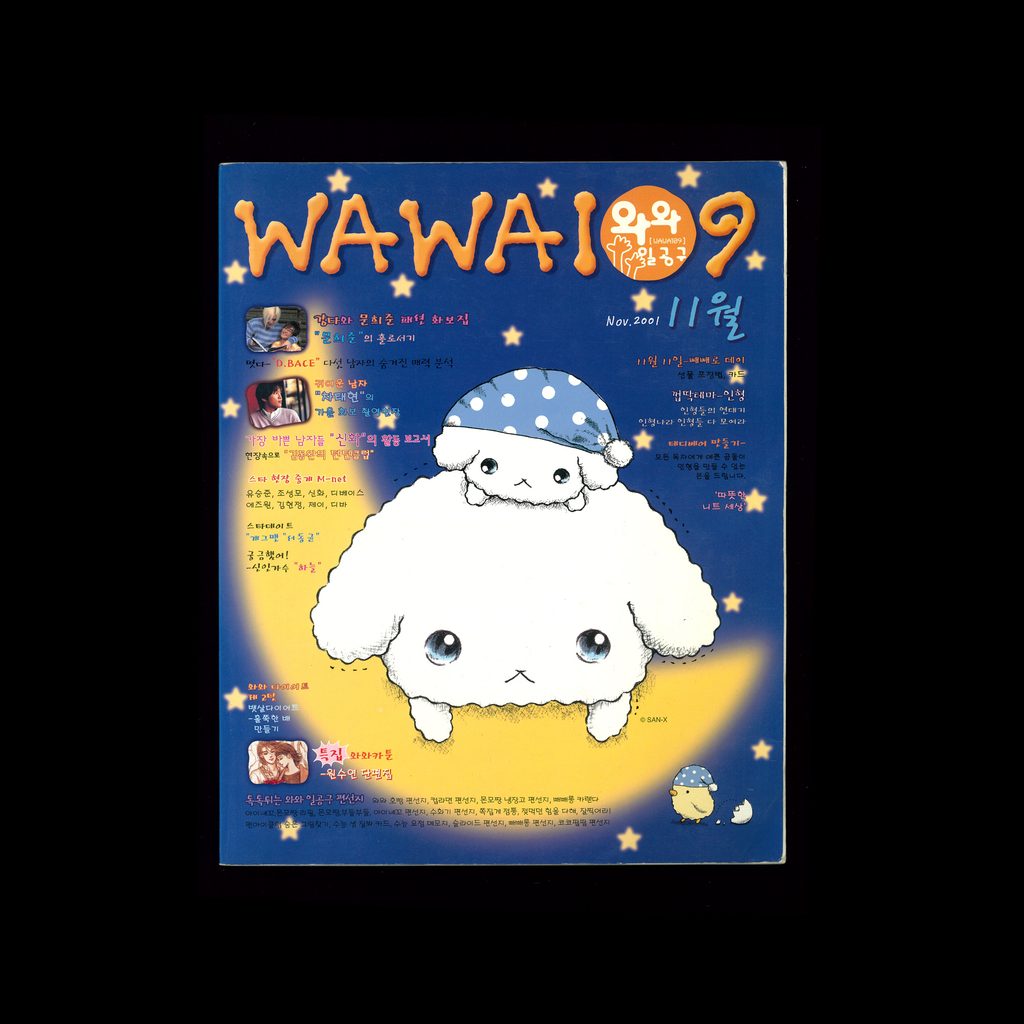
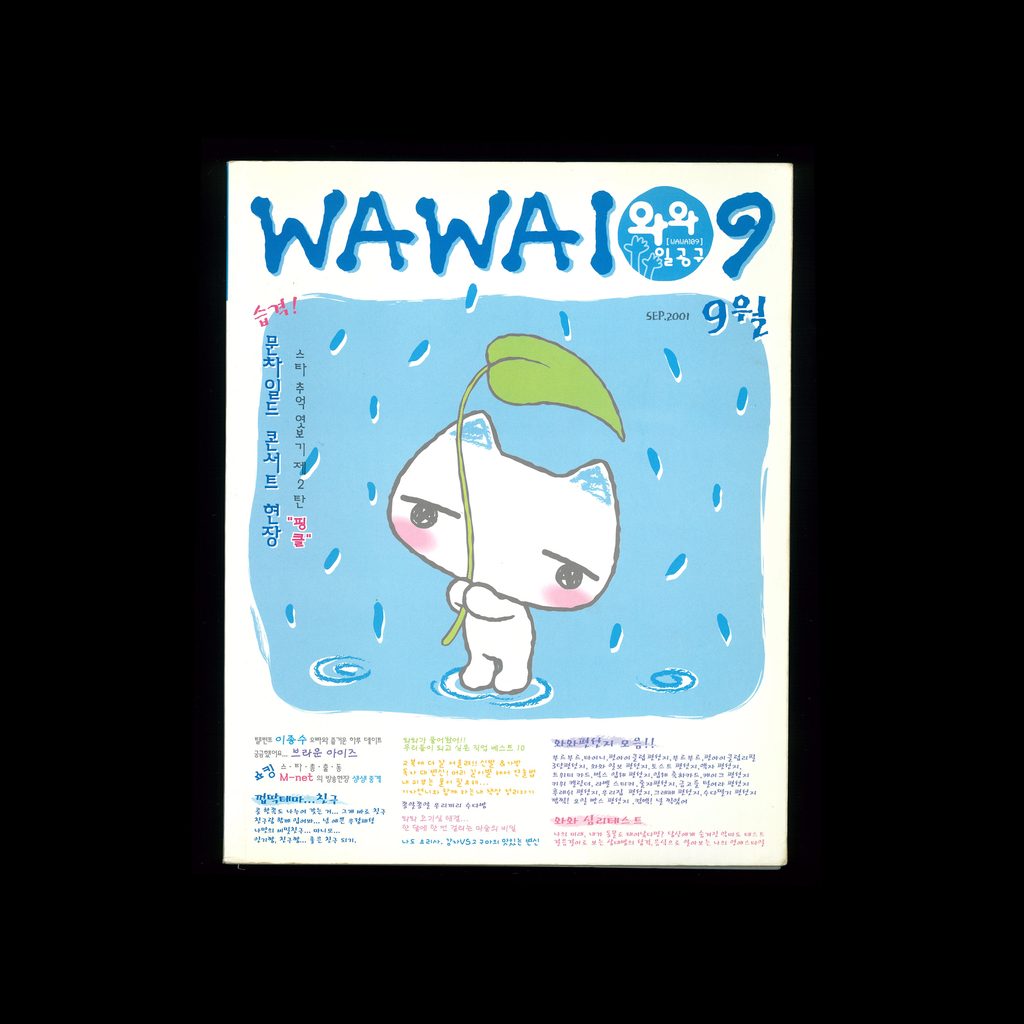
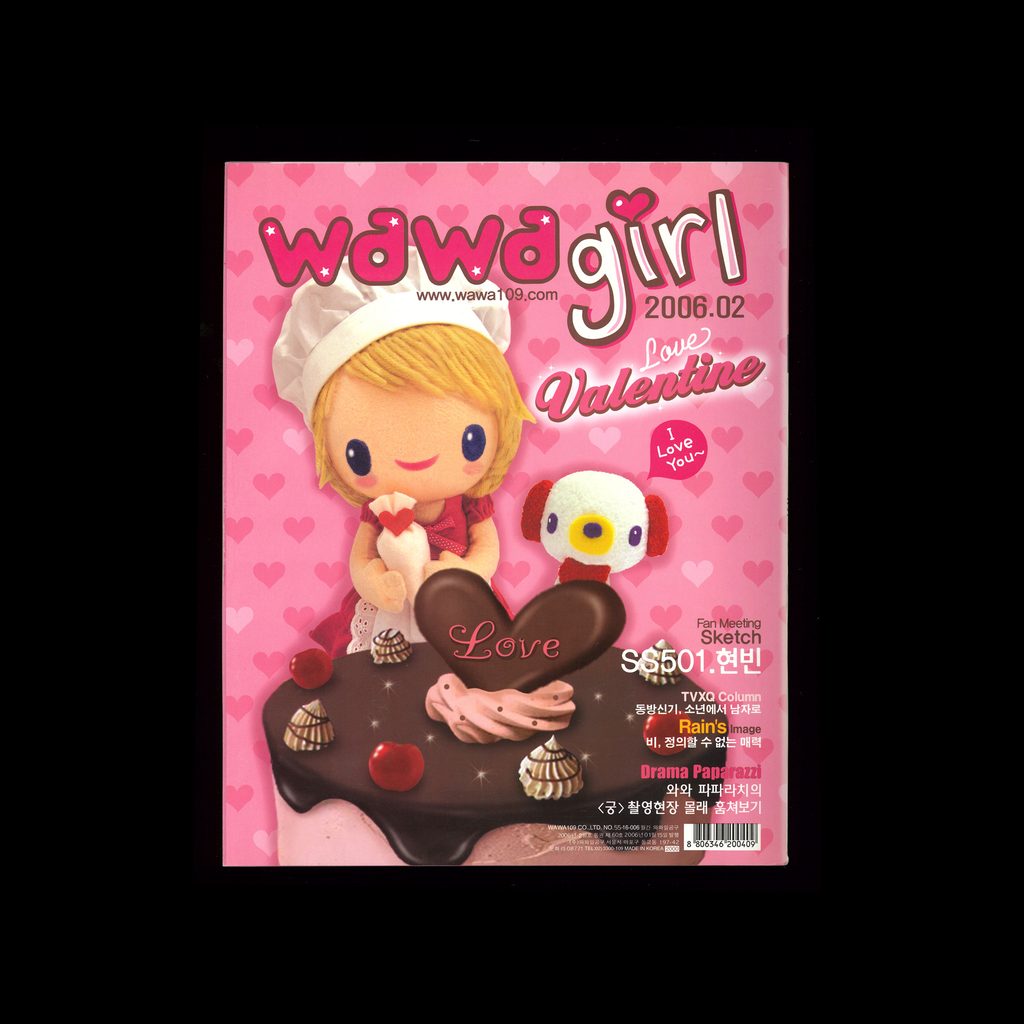
잡지 『와와109(WAWA109)』의 표지
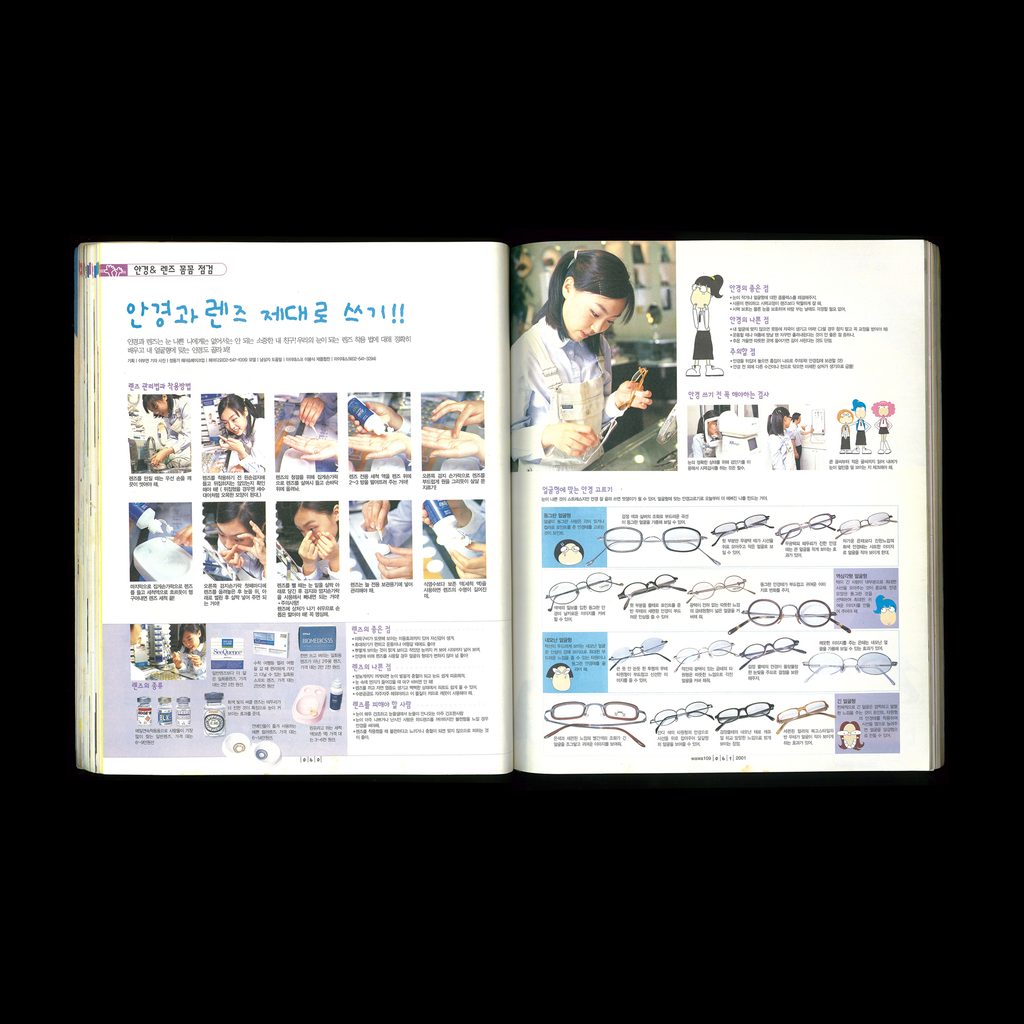
군산북페어에서 유일하게 사 온 것이 오래된 팬시 잡지 『와와109(WAWA109)』이었던 것도 그런 이유였을까. 2박 3일로 군산에 온 터라 짐이 많아, 일단 둘러만 보기로 하고 지갑을 엄격히 단속하던 참이었다. 그러다 3층 군산 지역 판매자 부스에서 헐값에 나온 팬시 잡지들을 발견하고는 반가운 마음에 결국 몇 권이나 사고 말았다. 부스 주인은 어릴 때 사서 지금껏 아껴 온 것들이라며, 부디 잘 즐겨 주었으면 좋겠다고 전했다.
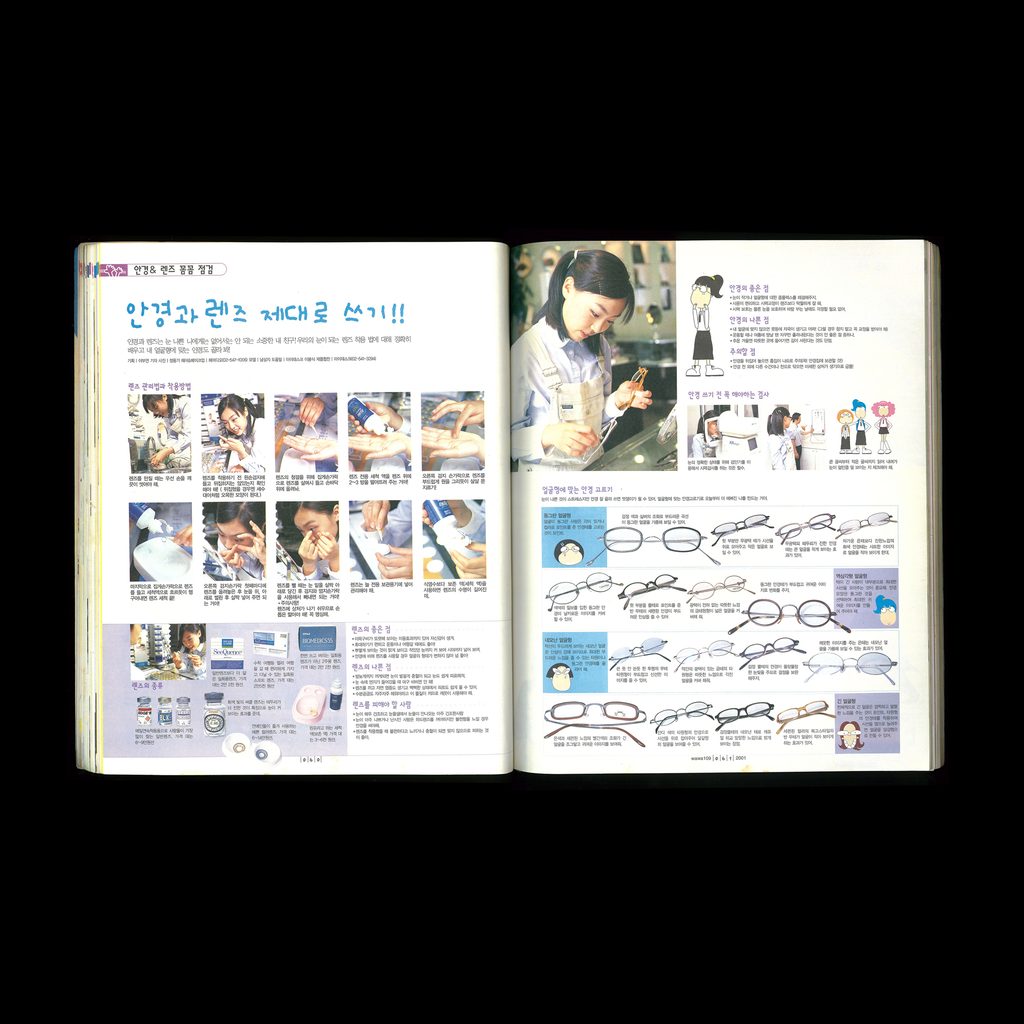
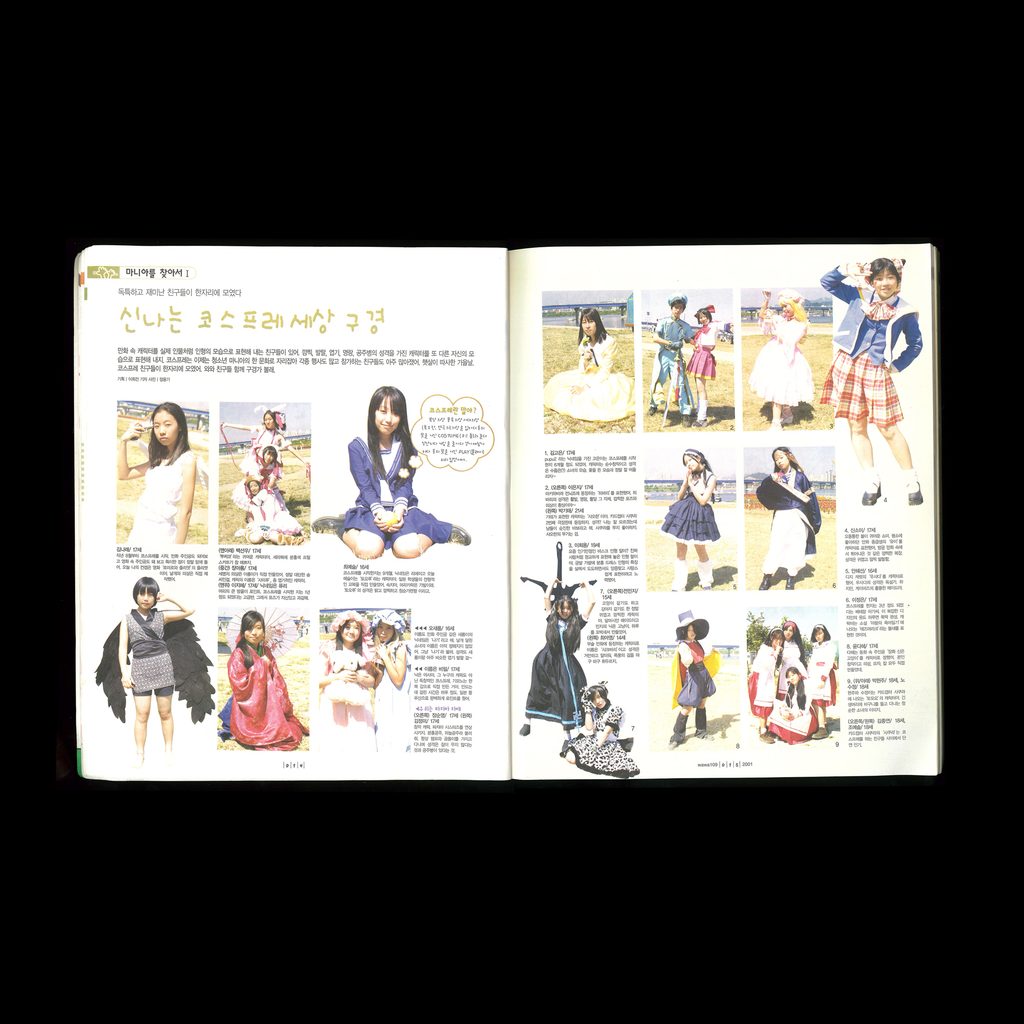
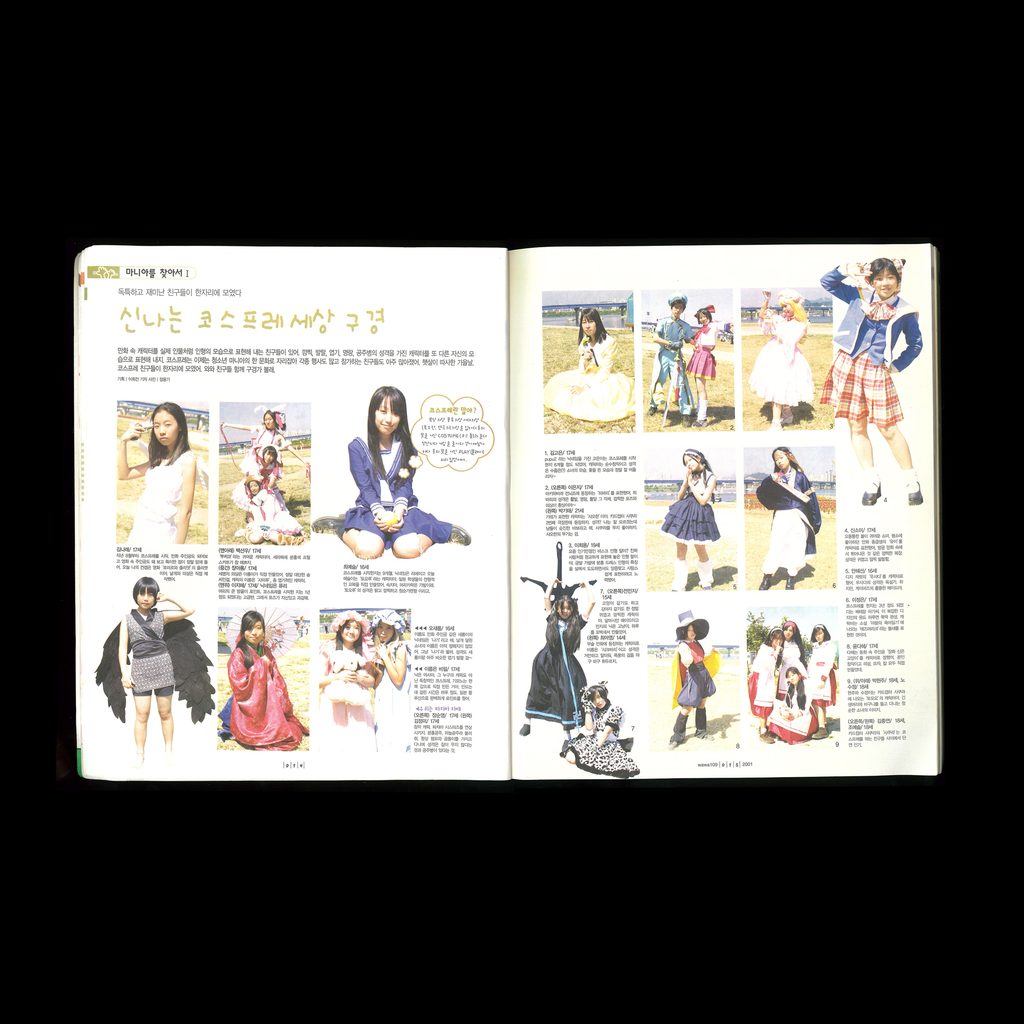
잡지 『와와109(WAWA109)』의 코너
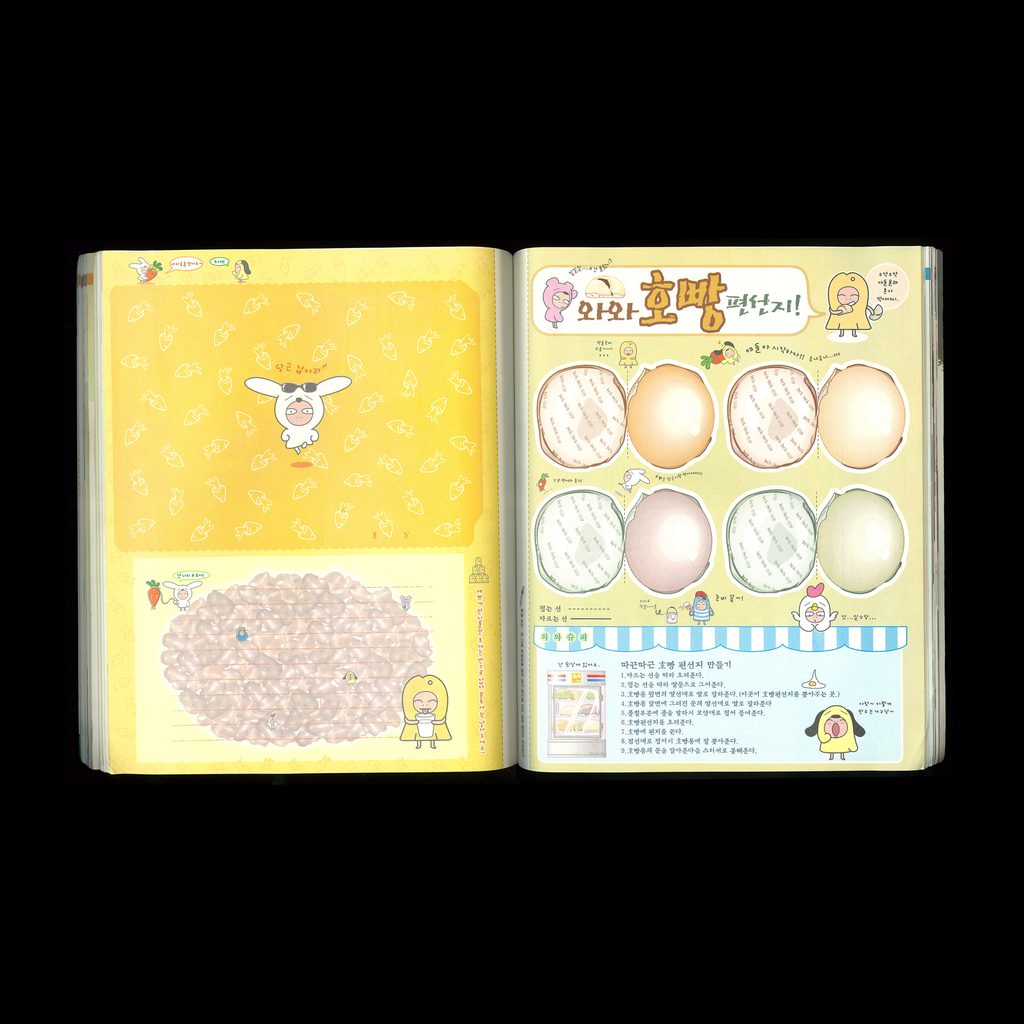
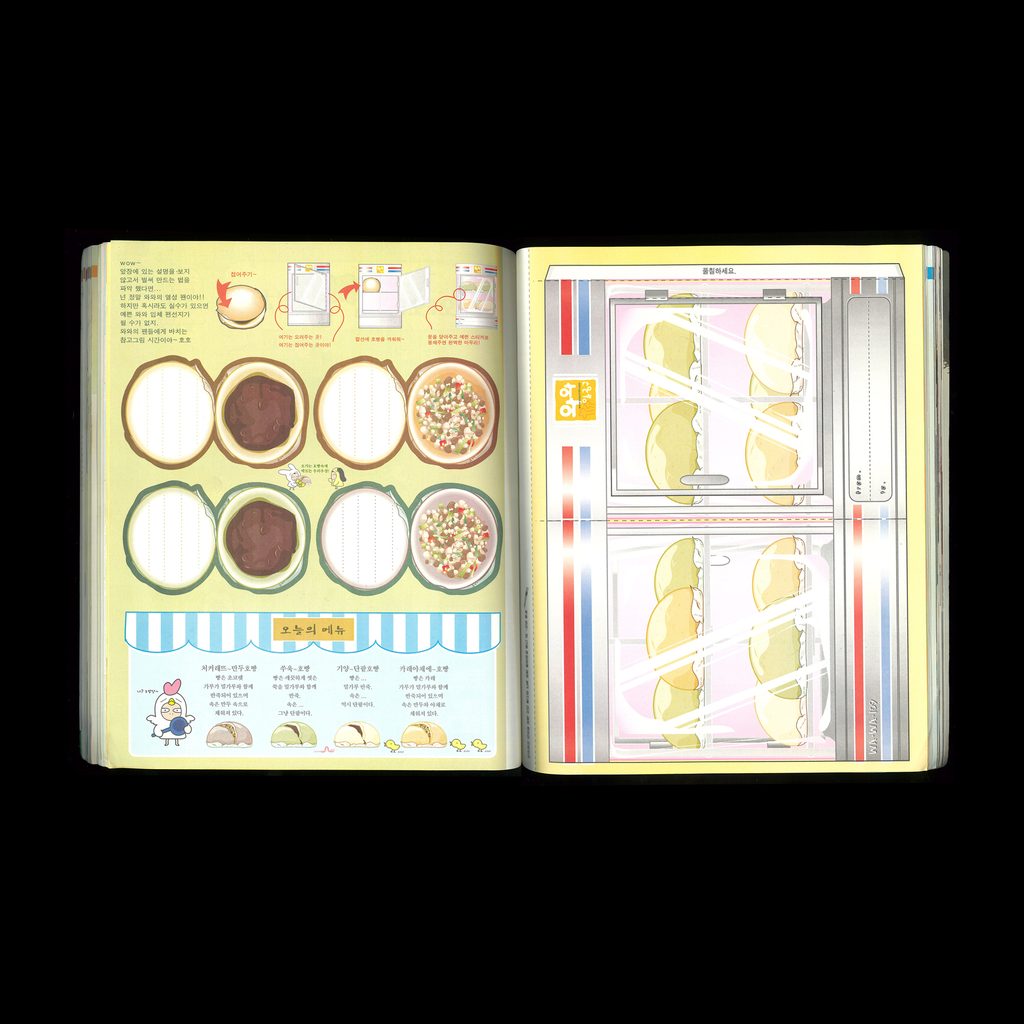
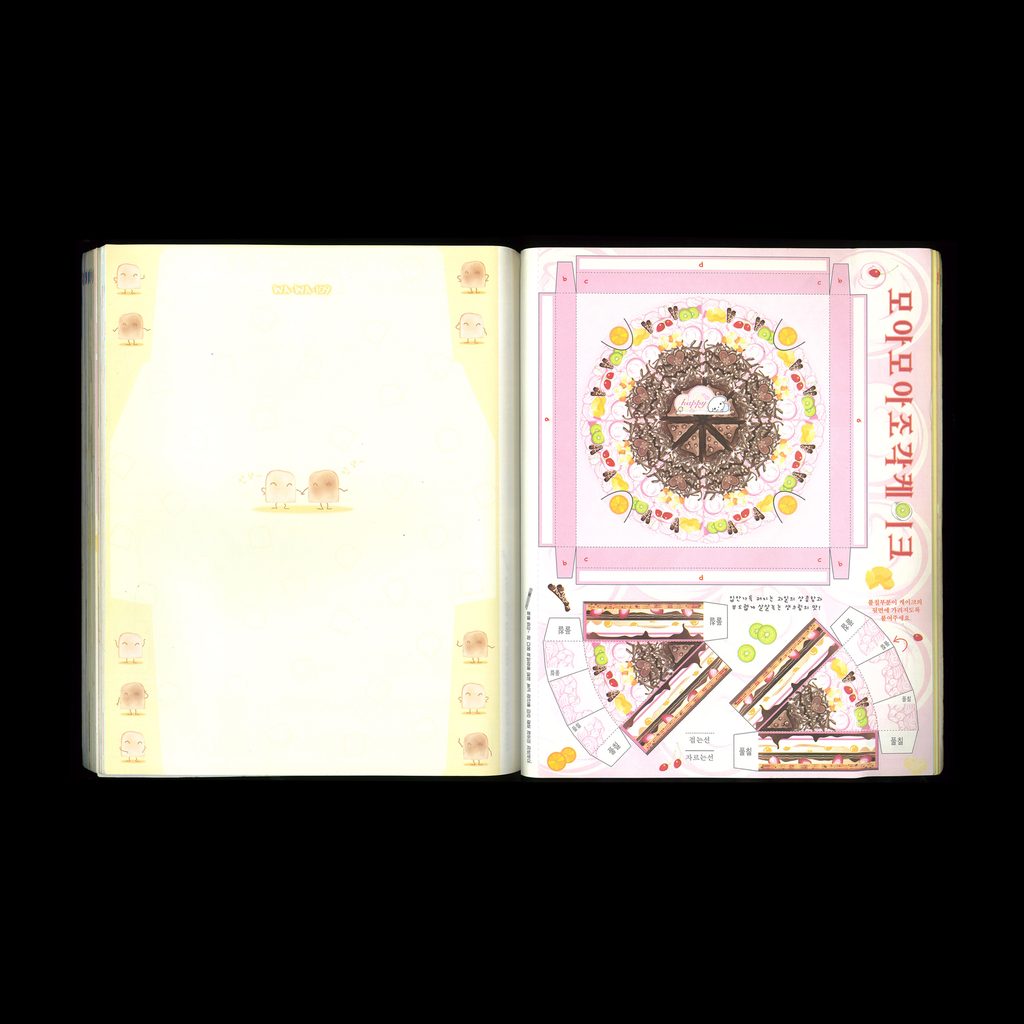
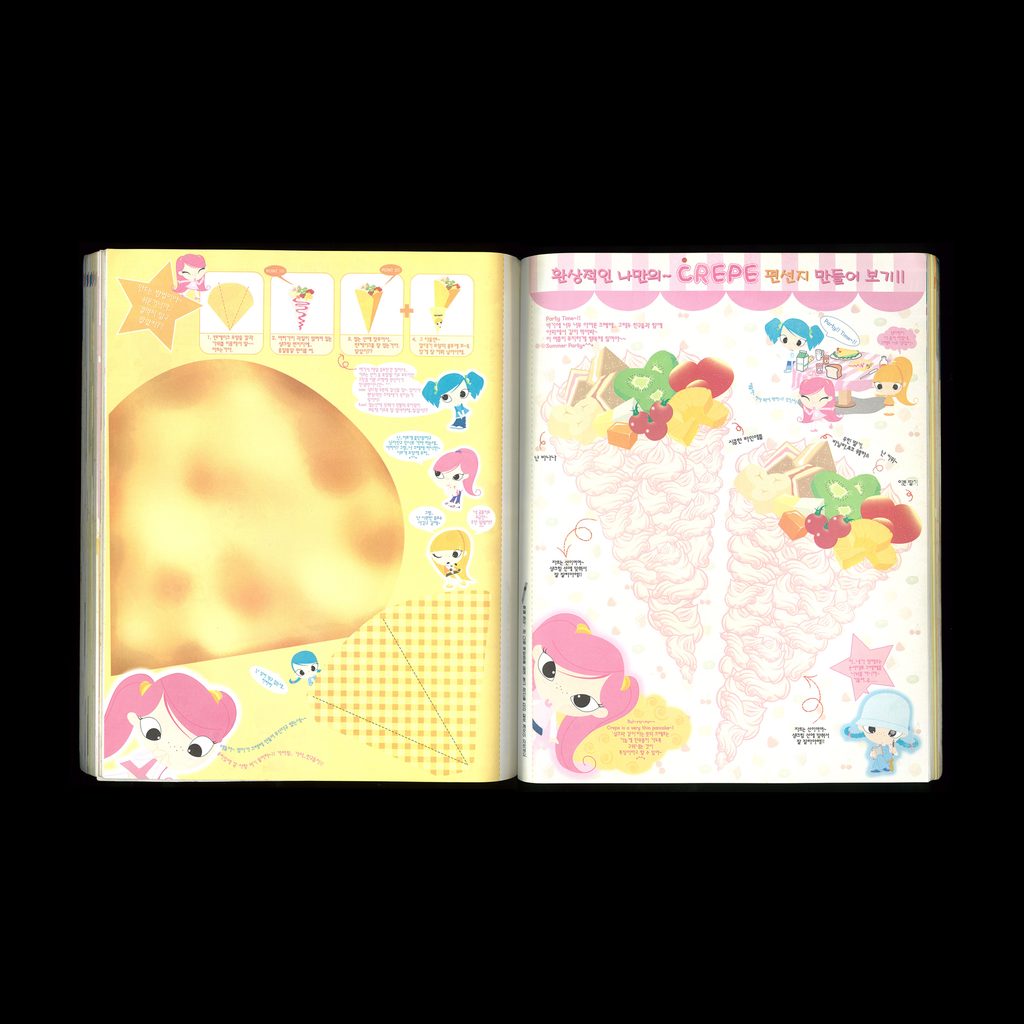
지금 와서 살펴보니 〈와와109(WAWA109)〉에는 당시 10대들의 관심사를 정성스레 취재한 기사부터 캐릭터 그림 대회, 하두리 셀카로 얼짱을 뽑는 코너까지 읽을거리와 볼거리가 제법 많았다. 다만 이런 잡지를 처음 접한 것은 열 살도 채 되기 전의 일이라 내용을 제대로 소화하기엔 역부족이었던 탓인지, 내게 〈와와〉 하면 먼저 떠오르는 것은 기사보다도 당시 유행하던 소재를 모아 패러디한 편선지들이었다. 딱히 편지 쓸 사람도 없으면서 귀여운 편선지를 이리저리 살펴보며 새 호를 살지 말지 고민하곤 했고, 그중에서도 유독 마음에 드는 페이지는 자르기 아까워 아껴 두었다. 이번에 사 온 잡지에도 편선지들이 거의 새것처럼 그대로 붙어 있는 걸 보니, 이 책의 원래 주인 역시 비슷한 이유로 남겨 둔 것은 아닐까 싶었다.
잡지 『와와109(WAWA109)』의 편선지
그 밖에도 그 무렵엔 공책에 좋아하는 캐릭터를 인쇄해 붙이고, 다이어리 낱장을 모아 교환하고, 자르고 붙여 무언가를 만들며 만족하는 나날들을 보냈다. 이런 글을 쓰는 것이 계기가 되어 잘 생각해 보면 그때의 기억들이 조금 다르게 보이기도 한다.
피에르 부르디외(Pierre Bourdieu, 1930~2002)는 『구별짓기(La Distinction)』에서, 실용적 필요로부터 거리를 둘 수 있는 경제적·문화적 여건이 형식 자체를 즐기는 미적 태도를 가능하게 한다고 설명한다. 필요 때문이 아니라 재미로 무언가를 만들고 모으던 그 시절을 지금도 낭만으로 추억하는 걸 보면, 1990년대부터 취미와 수집 문화가 번져 가던 한국 사회의 변화를 난생처음 피부로 느끼게 해 준 것이 2000년대 초 팬시 잡지 속 편선지였는지도 모른다는 생각이 든다. 여전히 『와와109(WAWA109)』를 꼼꼼히 읽지 않아도, 편선지에 편지 한 통 쓰지 않아도 소유한다는 것만으로 아주 즐거움을 주던 책으로 추억한다. 마음에 드는 페이지를 어떻게 쓸지 고민하다 결국 남겨 두는 일도 그 즐거움의 일부였고, 불량식품 사 먹을 돈을 아껴 마련한 잡지 한 권은 당시 누릴 수 있는 최고의 사치였다.
『복잡한 생각은 그만두고』 중
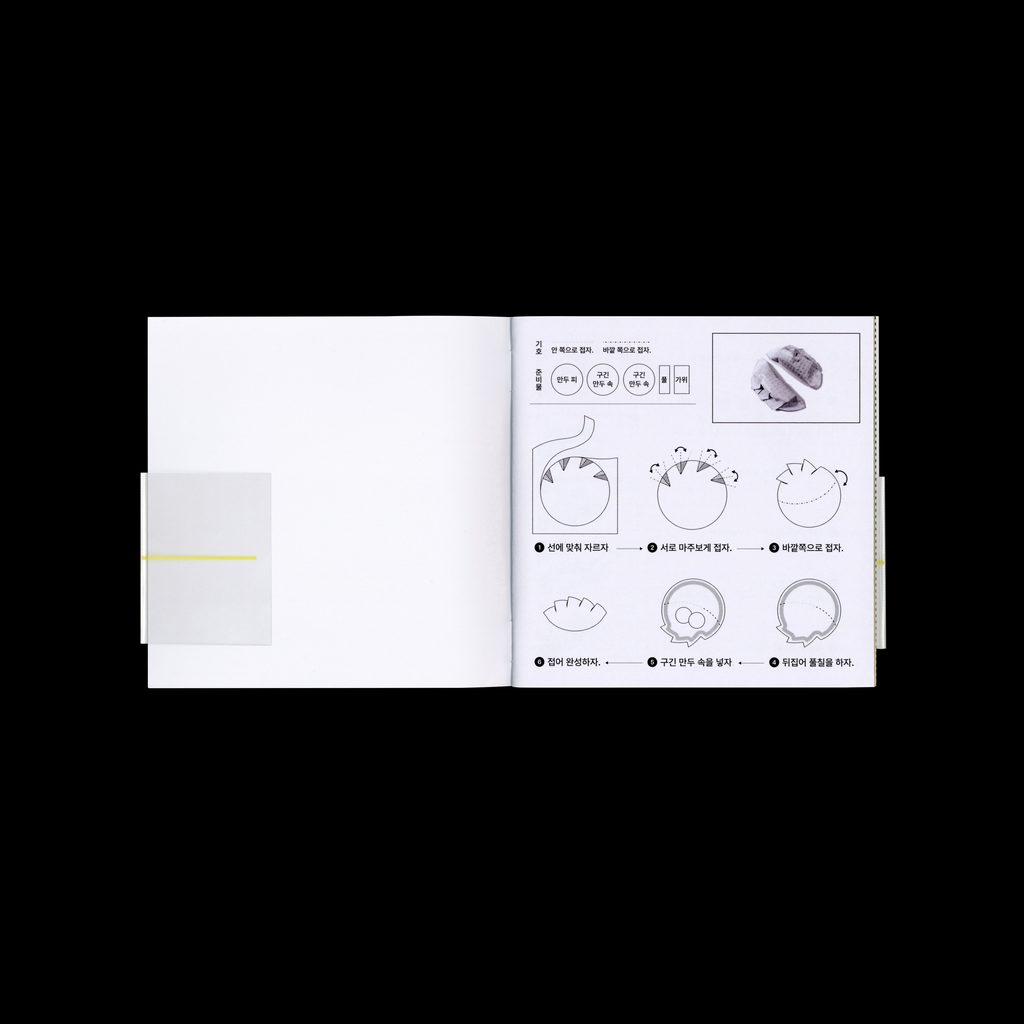
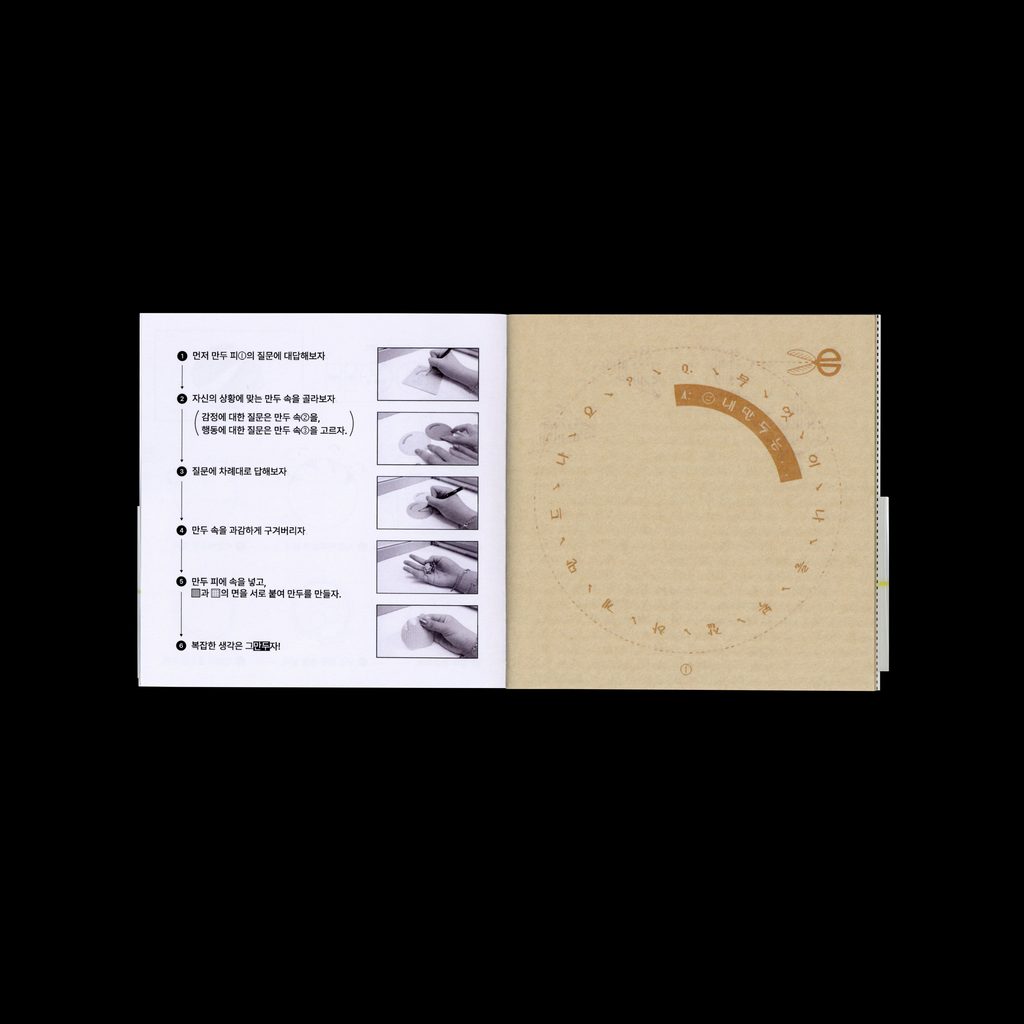
CC에서 만난 『복잡한 생각은 그만두고』는 비슷한 감각을 떠올리게 하는 책이다. 종이를 오리고 접는 동안만큼은 복잡한 생각을 잠시 내려놓을 수 있지 않을까 하는 제안을, 만두를 만드는 책으로 옮겨놓았다. “수제만두 전문”, “누구나 쉽게 제작 가능”, “호불호 없는 두 가지 맛”. 만둣가게처럼 써놓은 소개까지 콘셉트에 충실하다. 투명 필름 용지의 표지로 만두 포장의 느낌을 고증했고, 책을 소개하는 연출 사진에는 고이 접은 종이 만두에 간장까지 곁들였다. 만두소가 될 알록달록한 페이지의 끝에는 사용한 서체와 종이 종류까지 명시되어 있다. 이는 독자에게 직접 종이 만두를 만들어보길 권하는 동시에, 귀여운 아이디어 하나만 있다면 그것을 한 권의 책으로 옮기는 일 역시 그리 어렵지 않다는 걸 알려주는 대목처럼 읽히기도 한다.
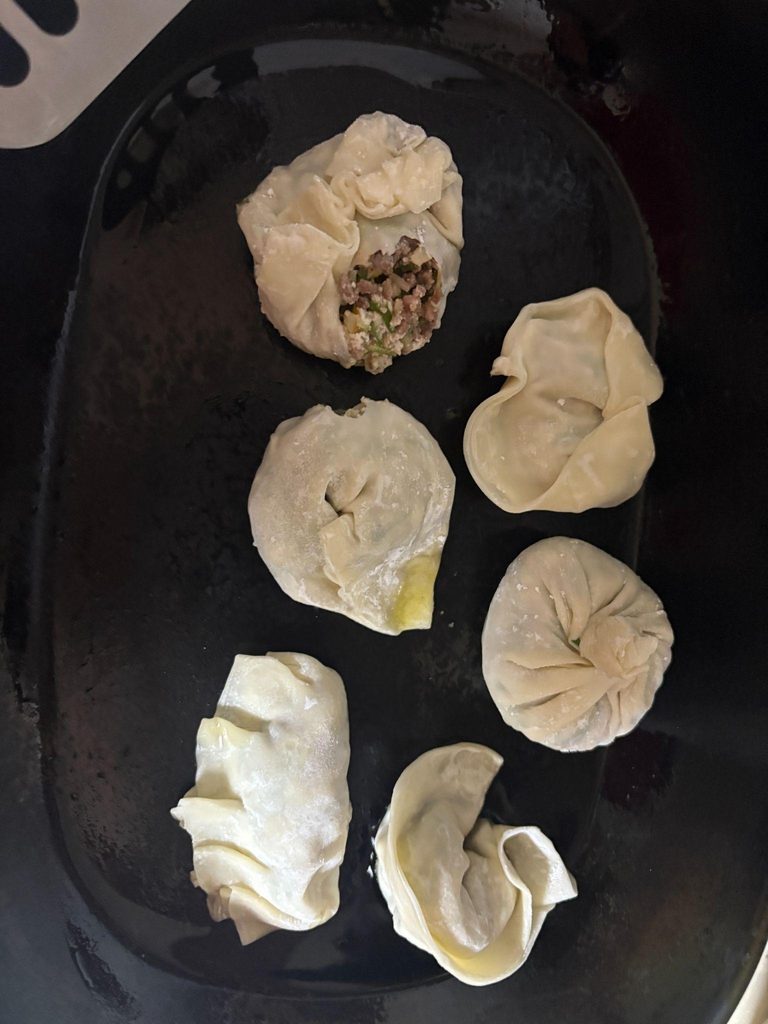
종이 만두가 된 모습도 궁금했지만, 정작 종이를 잘라 만두를 만들지는 못했다. 가볍게 오리고 접어 보라는 권유 앞에서도 이렇게 망설이는 걸 보면, 아무래도 나는 아직 소유의 즐거움을 만끽하는 중인가 보다. 아래는 추석을 맞아 직접 빚은 만두다. 그전까지 만들어본 만두라고는 플래시 게임 속 만두뿐이었는데, 마침 이 서평을 쓸 무렵 우연히도 첫 만두를 빚게 되었다. 딱히 만두가 먹고 싶어서라기보다는 추석을 핑계로 한번 만들어보고 싶었던 것인데, 막상 빚어보니 맛이나 모양은 좀 엉성해도 만드는 재미가 쏠쏠했다.
어떤 책은 그저 간직하는 것만으로도 만족스러운 것처럼, 꼭 실용적인 목적이 없어도 무언가에 몰두하는 일은 즐겁다. 복잡한 생각을 그만두게 하는 건 어쩌면 그런 순간인지도 모르겠다.
Translated automatically into English via AI agent.
Not long ago, while scrolling through Instagram, I came across a post suggesting that people born in the 1990s have experienced a wider variety of media environments than any other generation. Born in 1995, right between 1990 and 2000, I have memories of flipping through magazines as a child alongside countless hours spent swiping through screens. It’s a little ironic that I came across this observation on Instagram of all places, but I don’t think either paper or screens will ever completely replace the other.
Covers of WAWA109 magazine
Perhaps that explains why the only things I bought at the Gunsan Book Fair(GSBF) was an old issues of WAWA109, a stationery and lifestyle magazine. Since I was staying in Gunsan for three days and two nights and already had plenty of luggage, I had resolved to just look around and keep a tight hold on my wallet. But then, on the third floor, I came across a booth run by a local vendor selling old stationery magazines for next to nothing. Delighted by the discovery, I ended up buying several issues after all. The vendor told me they had bought the magazines as a child and treasured them ever since, and hoped I would enjoy them just as much.
Spreads from WAWA109 magazine
Looking through WAWA109 now, I realize just how much there was to read and see, from carefully researched articles on the interests of teenagers at the time to character drawing contests and even a section where readers voted for the best-looking faces from Haduri webcam selfies. But I first encountered the magazine before I was even ten years old, when I was probably too young to fully appreciate its contents. So what comes to mind first when I think of WAWA109 isn’t the articles, but the decorative letter-writing paper filled with parodies of whatever was popular at the time. Even though I had no one in particular to write to, I would look through the cute letter paper, trying to decide whether to buy the latest issue. I would leave the pages I especially liked uncut, not wanting to spoil them. Seeing that the letter paper in the issues I bought this time was still attached to the pages, almost as good as new, I wondered if their previous owner had kept it for much the same reason.
Decorative letter-writing paper from WAWA109 magazine
Beyond that, I spent much of those days printing out pictures of my favorite characters and pasting them into notebooks, collecting and trading loose diary pages, and finding satisfaction in making things by cutting and pasting. Looking back on those memories through the process of writing this essay, I find myself seeing them in a slightly different light.
In Distinction: A Social Critique of the Judgement of Taste, Pierre Bourdieu explains how the economic and cultural conditions that allow people to distance themselves from practical necessity make it possible to appreciate form for its own sake. The fact that I still look back so fondly on those days of making and collecting things simply for the pleasure of it makes me wonder whether the decorative letter paper in early-2000s stationery magazines was my first tangible encounter with the changes taking place in Korean society, as hobbies and collecting became increasingly popular from the 1990s onward. I still remember WAWA109 as a magazine that brought me great joy simply because I owned it, even without reading it closely or ever writing a single letter on its decorative paper. Part of that pleasure was wondering what to do with my favorite pages, only to leave them untouched in the end. And a single issue, bought with money saved by giving up cheap snacks, was the greatest luxury I could afford at the time.
Spreads from Stop Overthinking
Stop Overthinking, a book I came across at CC, evokes a similar feeling. It takes the idea that cutting and folding paper might help us put our worries aside for a while and turns it into a book about making dumplings. “Specializing in Handmade Dumplings,”“Easy for Anyone to Make,” and “Two Flavors Everyone Will Love.” Even the descriptions, written like advertisements for a dumpling shop, stay true to the concept. The cover, made of transparent film, recreates the look of dumpling packaging, while the staged photographs introducing the book feature carefully folded paper dumplings served with soy sauce. At the end of the colorful pages that will become the dumpling fillings, even the typefaces and paper stocks used are listed. While inviting readers to make their own paper dumplings, these details also seem to suggest that turning a simple, playful idea into a book might not be so difficult after all.
I was curious to see what the paper dumplings would look like once assembled, but I couldn’t quite bring myself to cut up the pages and make them. If I hesitate even when encouraged to simply cut and fold some paper, perhaps I’m still content just to own the book. Below are some dumplings I made myself for Chuseok, the Korean harvest festival. Until then, the only dumplings I had ever made were in a Flash game, but by coincidence, I ended up making my first real dumplings just as I was writing this review. It wasn’t so much that I was craving dumplings; I simply wanted to use the holiday as an excuse to try making them. Once I got started, I found the process surprisingly enjoyable, even if the dumplings turned out a little rough in both taste and appearance.
Just as some books bring satisfaction simply by being kept, there is joy in immersing ourselves in something without any practical purpose. Perhaps it is moments like these that allow us to stop overthinking.
Writer
한지은Han Jieun
그래픽디자인과를 졸업한 뒤 에디터로 일했다. 이후 다시 그래픽 디자인을 공부하고 싶어 진학한 대학원에서 한국 진(zine) 문화를 주제로 석사 논문을 썼다. 좋아하는 일을 공부하고, 재미있게 하면서 먹고사는 방법을 고민하고 있다.Han Jieun studied graphic design before working as an editor. She later returned to graduate school to continue her studies in graphic design, where she completed her master's thesis on Korean zine culture. She is interested in finding ways to build a life around the work she loves—continuing to study it, enjoy it, and make a living from it.