가벼운 기록이 무게를 갖게 되기까지When Fleeting Records Gain Weight
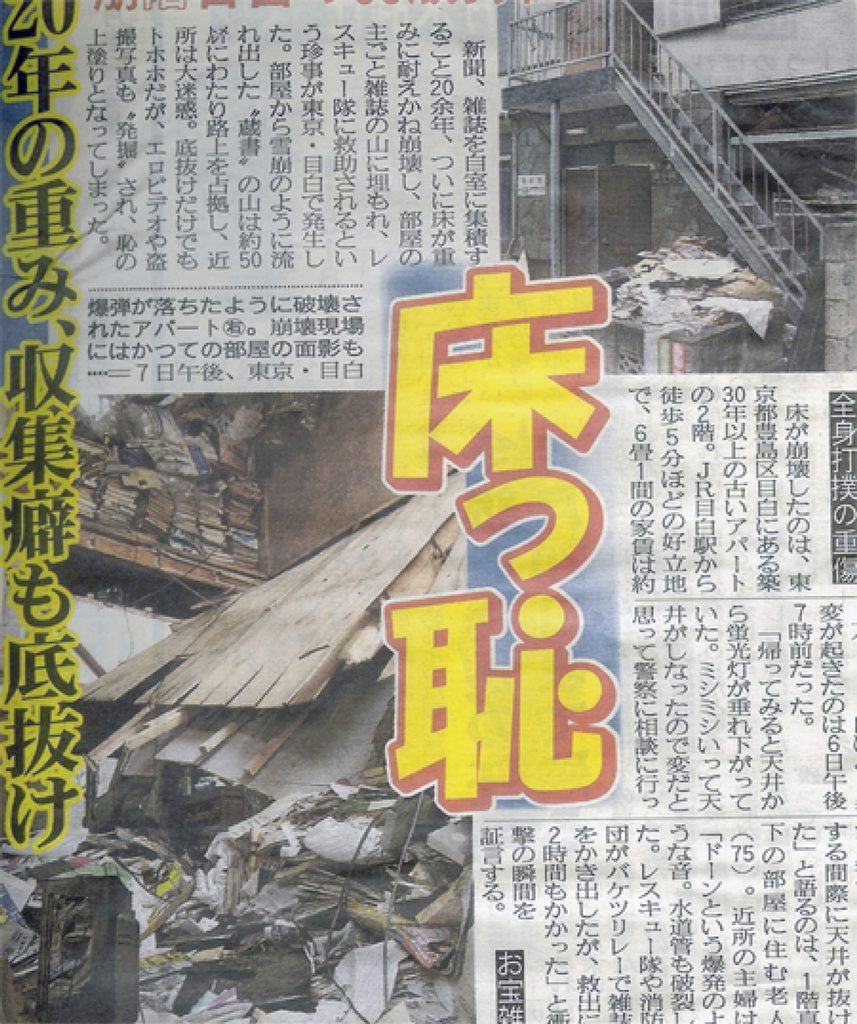
수집 문화가 발달한 일본에서는 무언가를 끊임없이 모으고 간직하려는 마음이 여러 이야기의 소재가 되어왔다. 오카자키 다케시의 『장서의 괴로움』은 계속해서 늘어나는 책을 감당하기 위해 저자가 고민해 온 방법들과 그에 따른 고충을 소개하는 책이다. 장서의 무게를 견디지 못해 서재 바닥이 꺼지고 건물이 기울어진 사례가 등장하는가 하면, 헌책방 주인을 불러 책을 처분하려다가도 막상 떠나보내려니 아쉬워 몇 권씩 다시 빼놓는 장서가들의 모습도 나온다. 감당하기 어렵다는 걸 알면서도 책을 좀처럼 놓지 못하고 다시 서점을 찾는 모습에서는 수집에 대한 애착과 그로 인해 생겨나는 곤란이 동시에 드러난다.
비슷한 이야기는 모로호시 다이지로의 『밤의 물고기』에 수록된 「헌책 지옥 저택」에서 한층 극단적으로 그려진다. 책 수집가들이 갖고 싶어 했던 절판된 책들이 숨어 있는 헌책으로 이루어진 저택 어딘가에서 원하는 책 한 권을 무리하게 빼내려다 전부 무너져 귀신이 되는 상황까지 벌어지는 식이다. 이런 이야기를 읽고 있으면 우리 집 책장 정도는 별 거 아니라는 생각이 들다가도, 막상 필요한 책 한 권을 찾으려고 방 한구석을 헤집고 있다 보면 적어도 우리 집이 콘크리트 건물이라 참 다행이라는 생각도 든다.
실제로 일어난 바닥 빠짐 사건을 보도한 스포츠지 기사 『석간 후지』 도쿄판 2005년 2월 8일호. (출처: Magazine Kō)
기록하고 수집한 것을 보관하는 데 따르는 수고는 책장 밖에서도 이어진다. 최근 영상 작업을 할 일이 생기면서 외장하드를 연달아 두 개 샀다. 데이터를 손에 잡히는 물성에 옮겨놓고 나서야 겨우 조금 안심이 되었지만, 분실이나 고장을 생각하면 여전히 마음을 놓기 어렵다. 따지고 보면 사진이나 영상은 흘러가는 시간 속에서 어느 한순간을 붙잡아두기 위한 기록인 셈인데, 손쉽게 촬영하고 저장할 수 있게 된 탓인지, 언제부터인지 찍어두었다는 사실만으로 만족한 채 딱히 다시 들여다보지 않게 되었다. 촬영하는 순간 데이터의 대열에 섞여 다시 흘러가 버리는 기록에는 좀처럼 애착이 생겨나지 않는다.
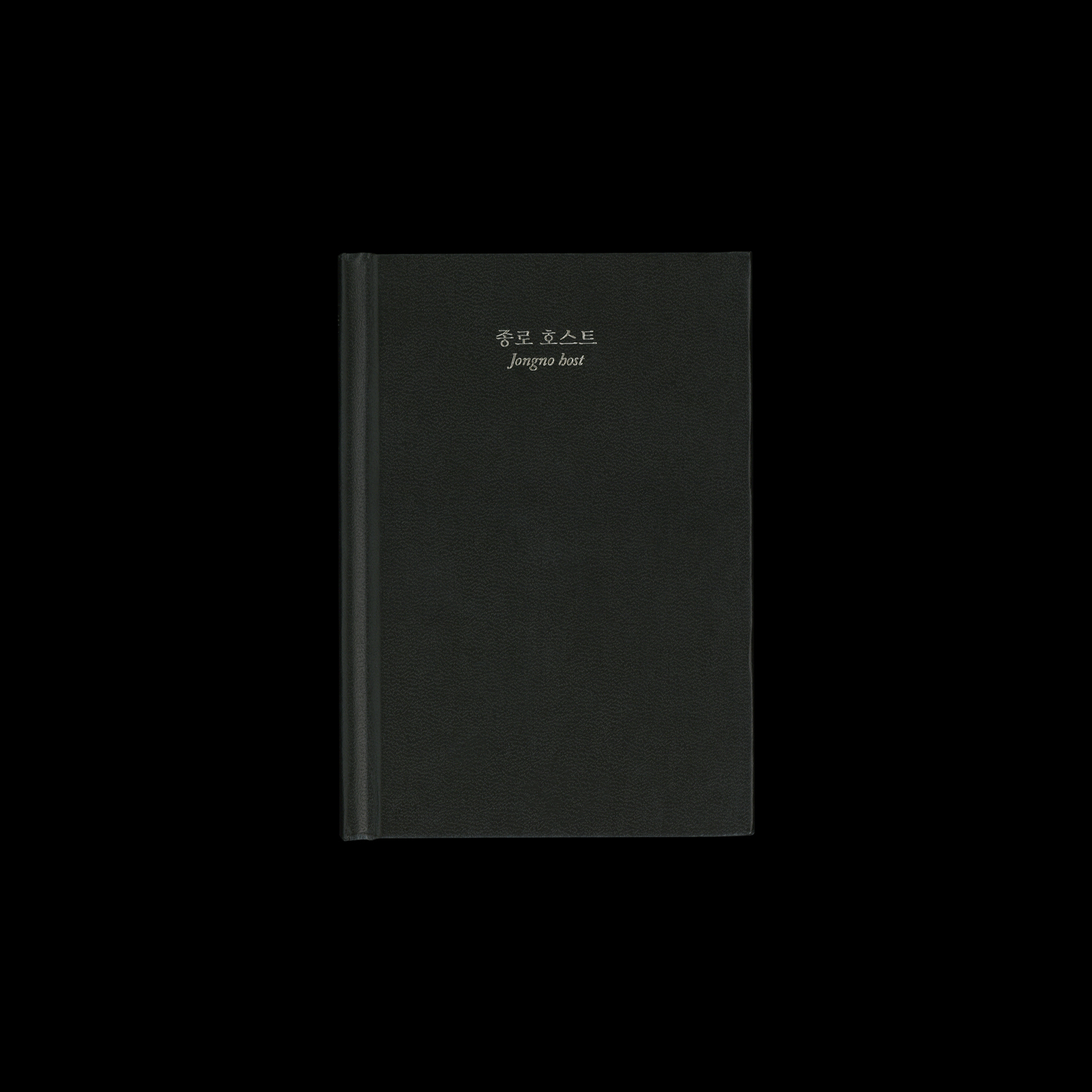
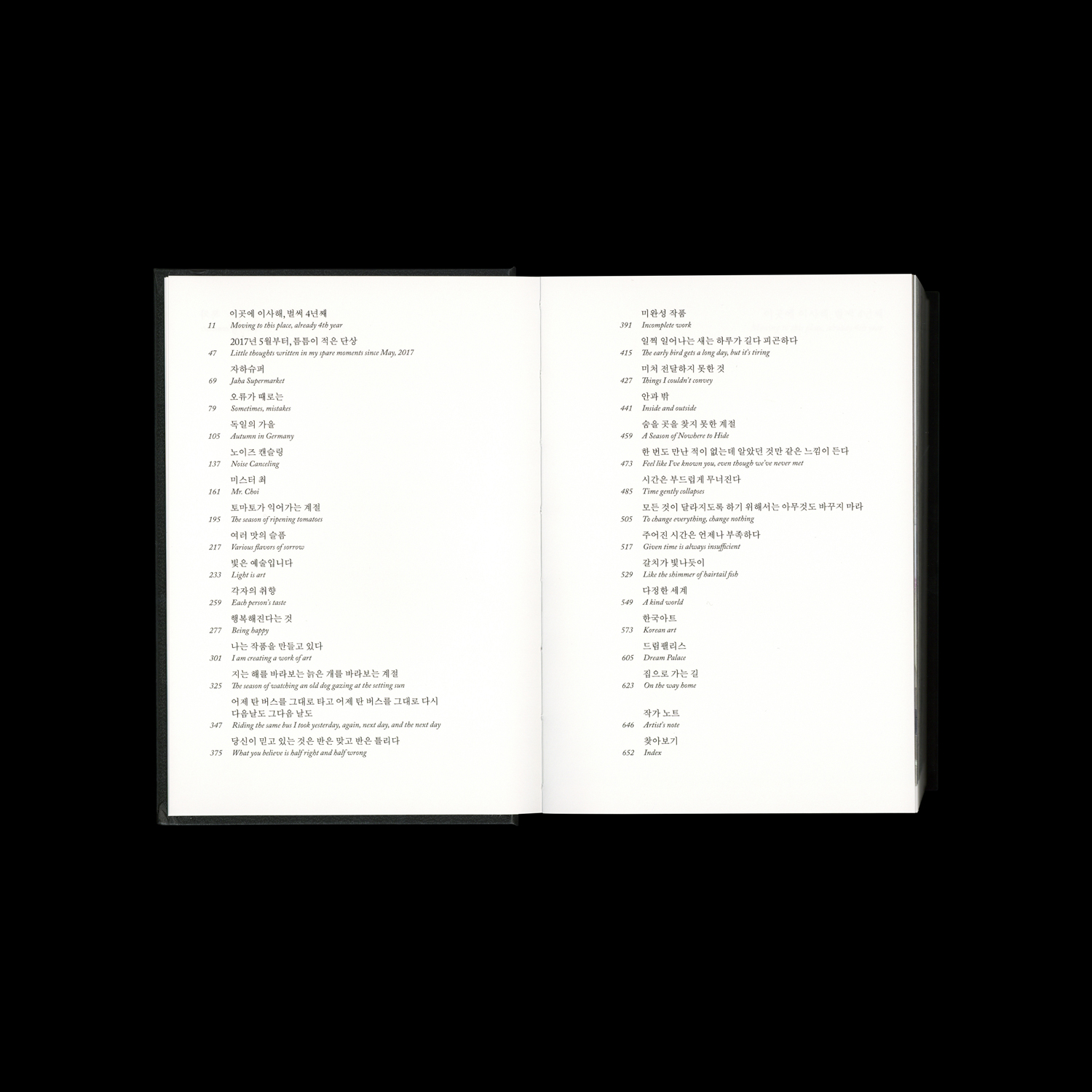
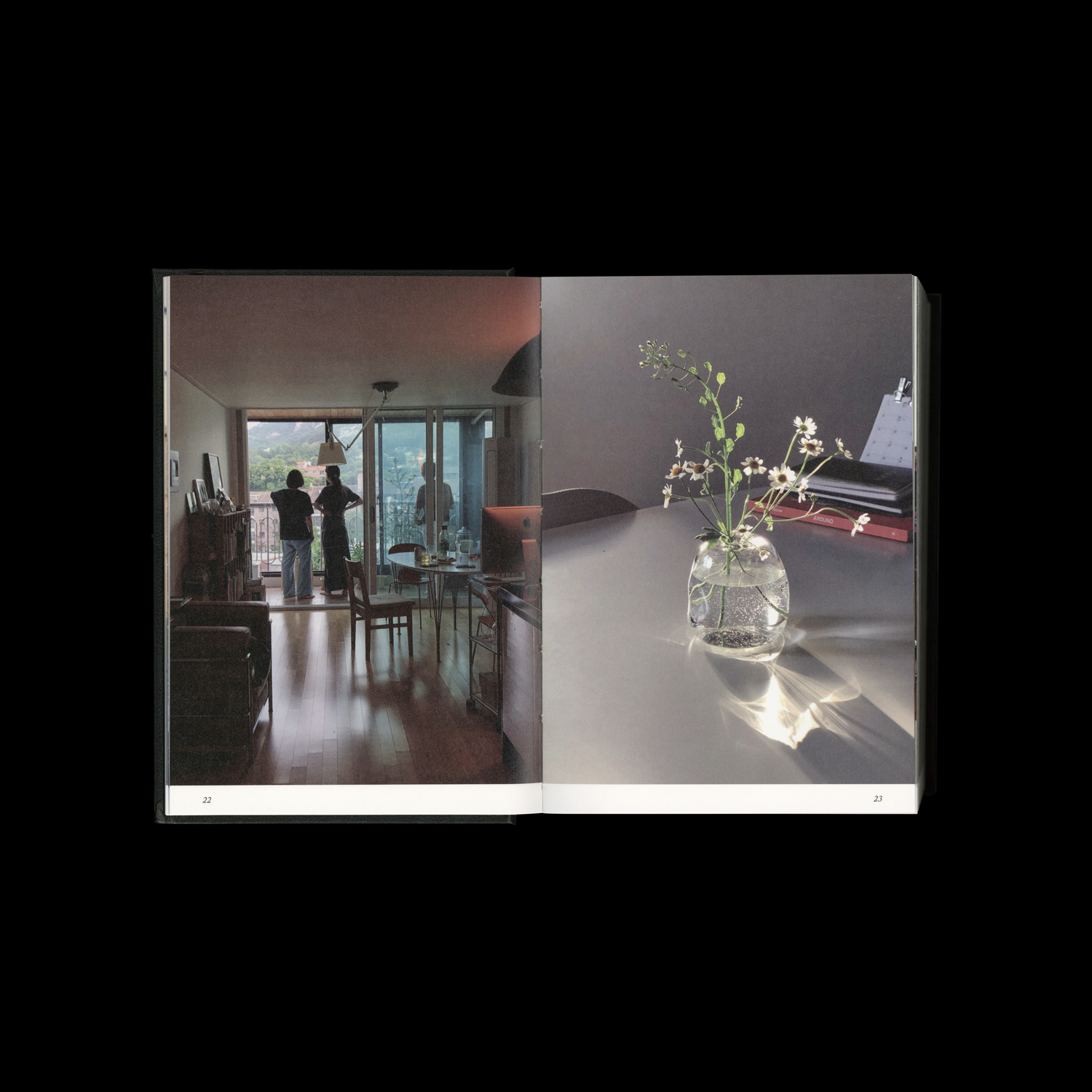
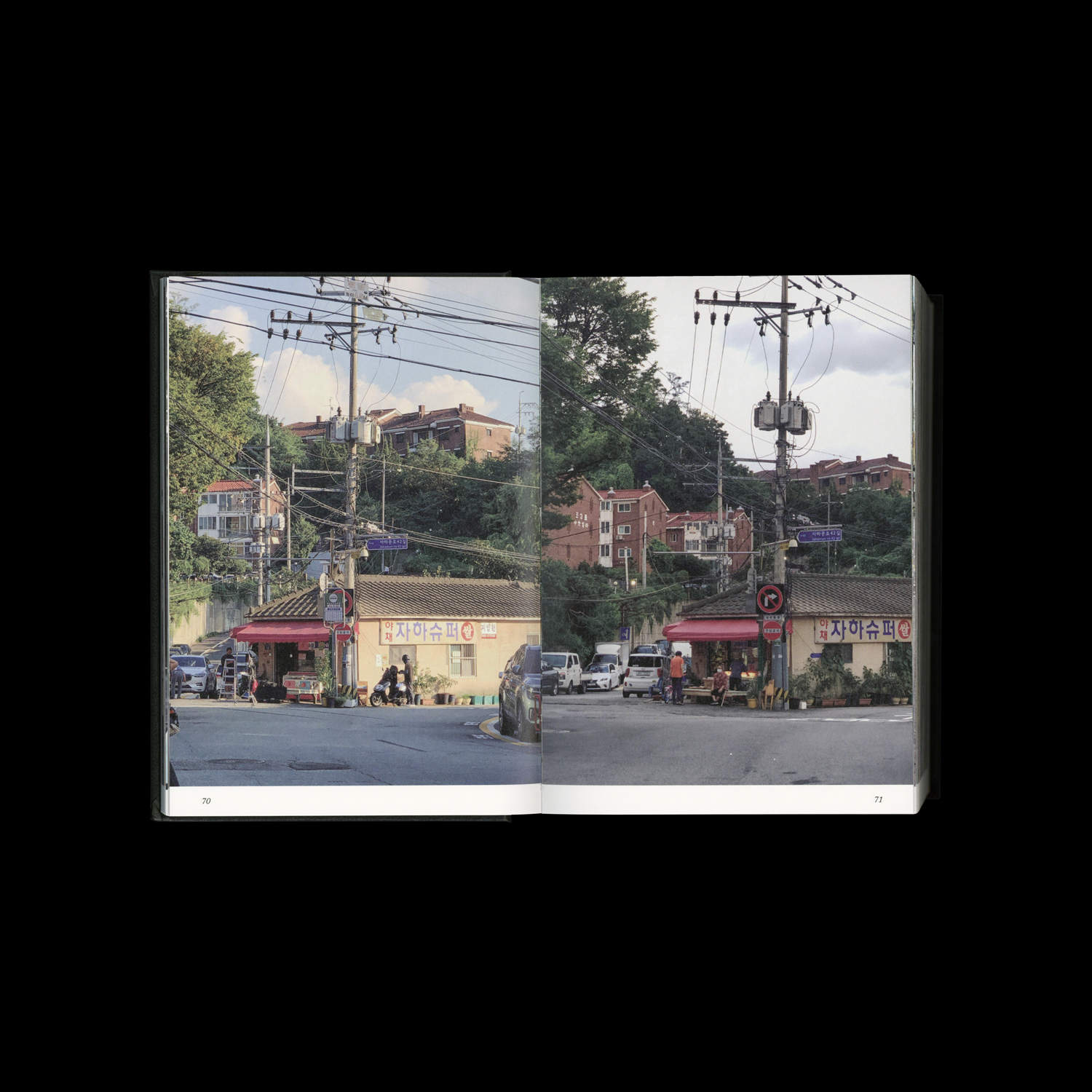
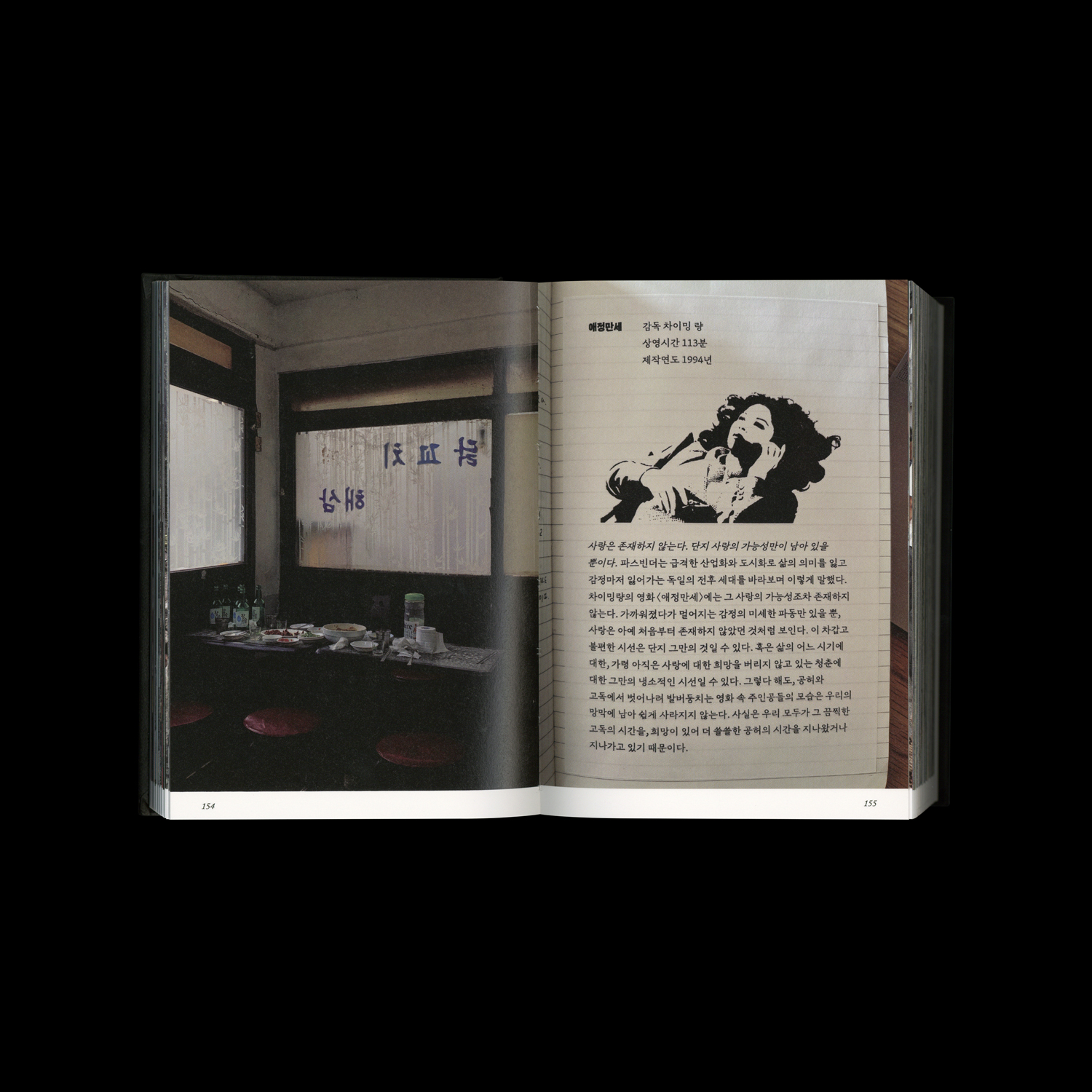
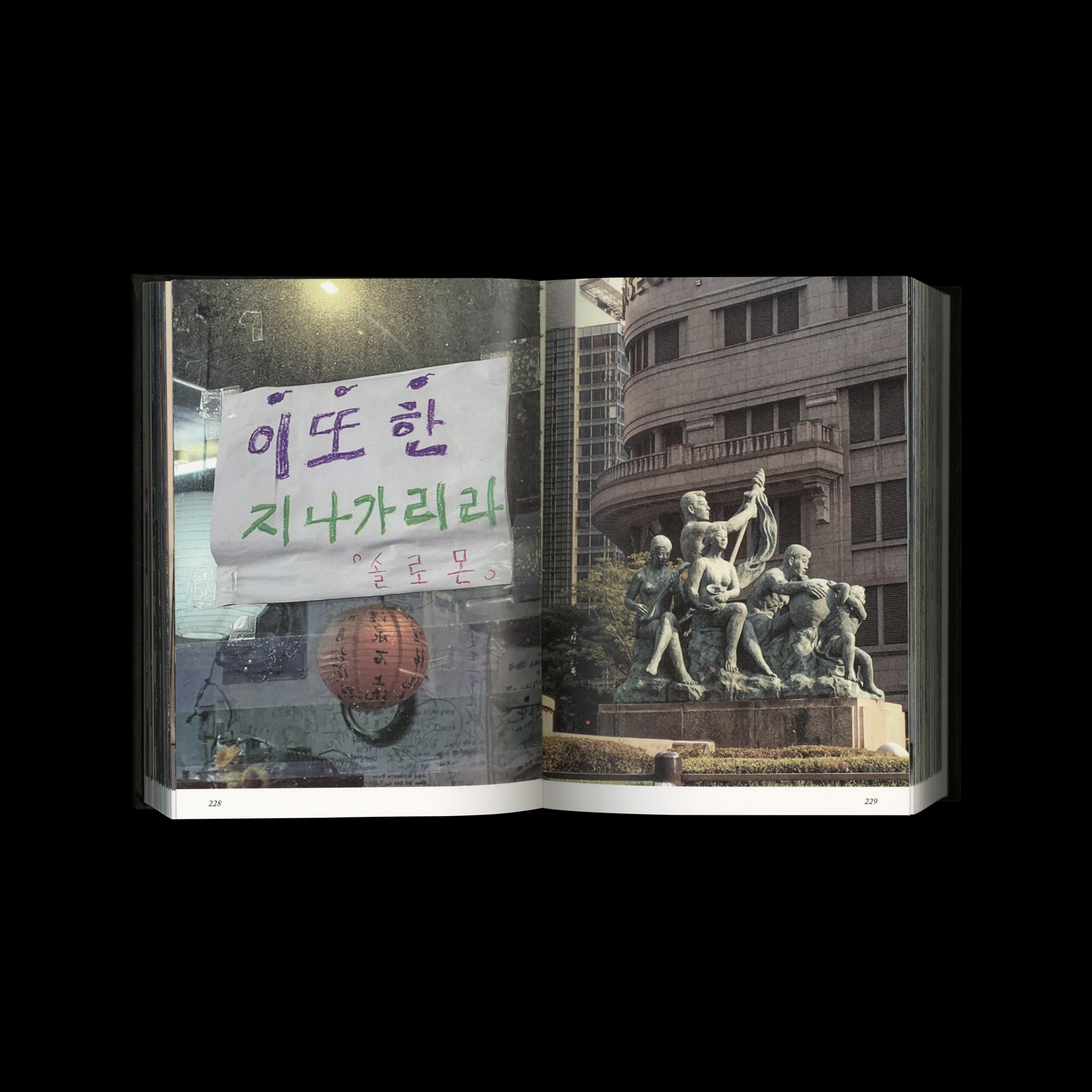
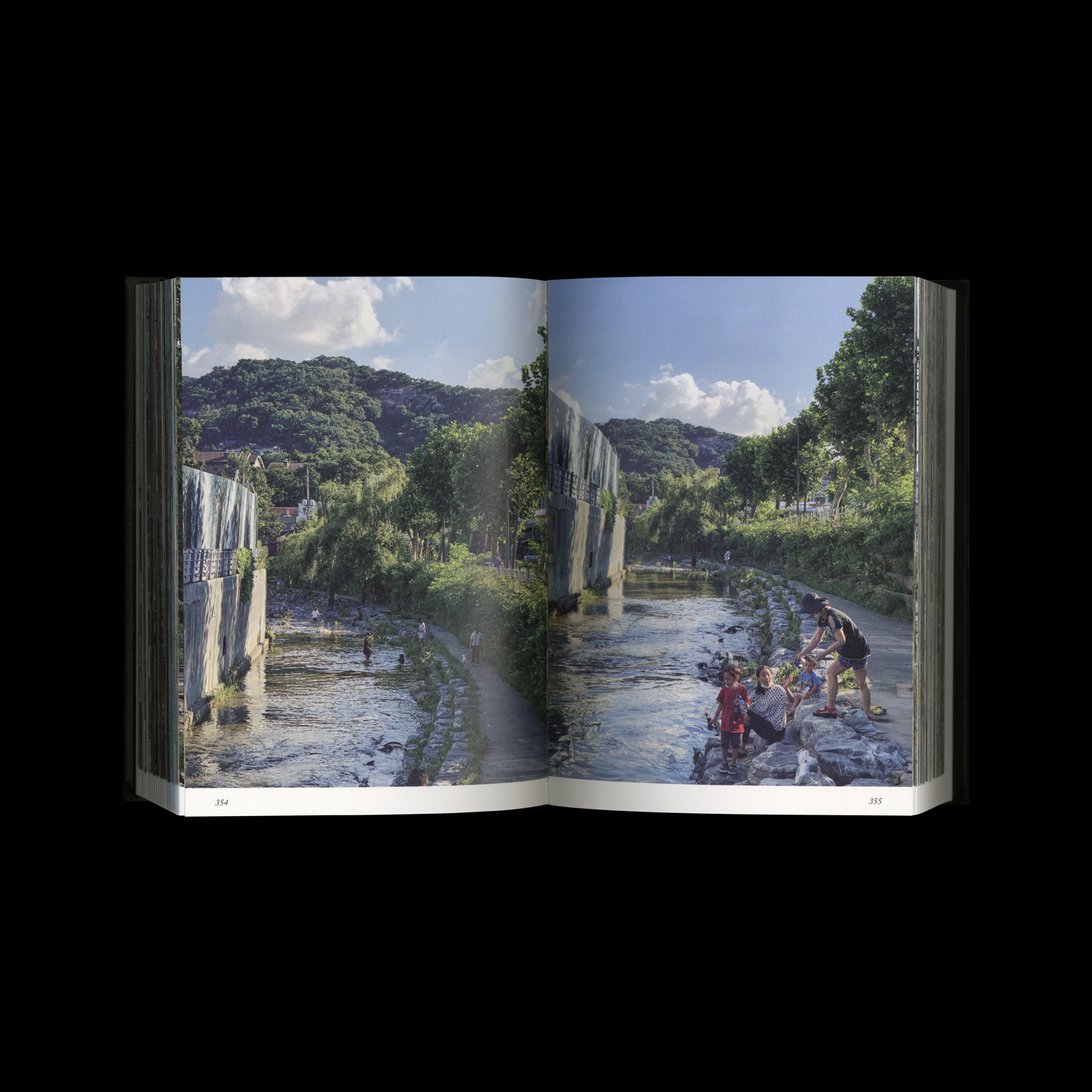
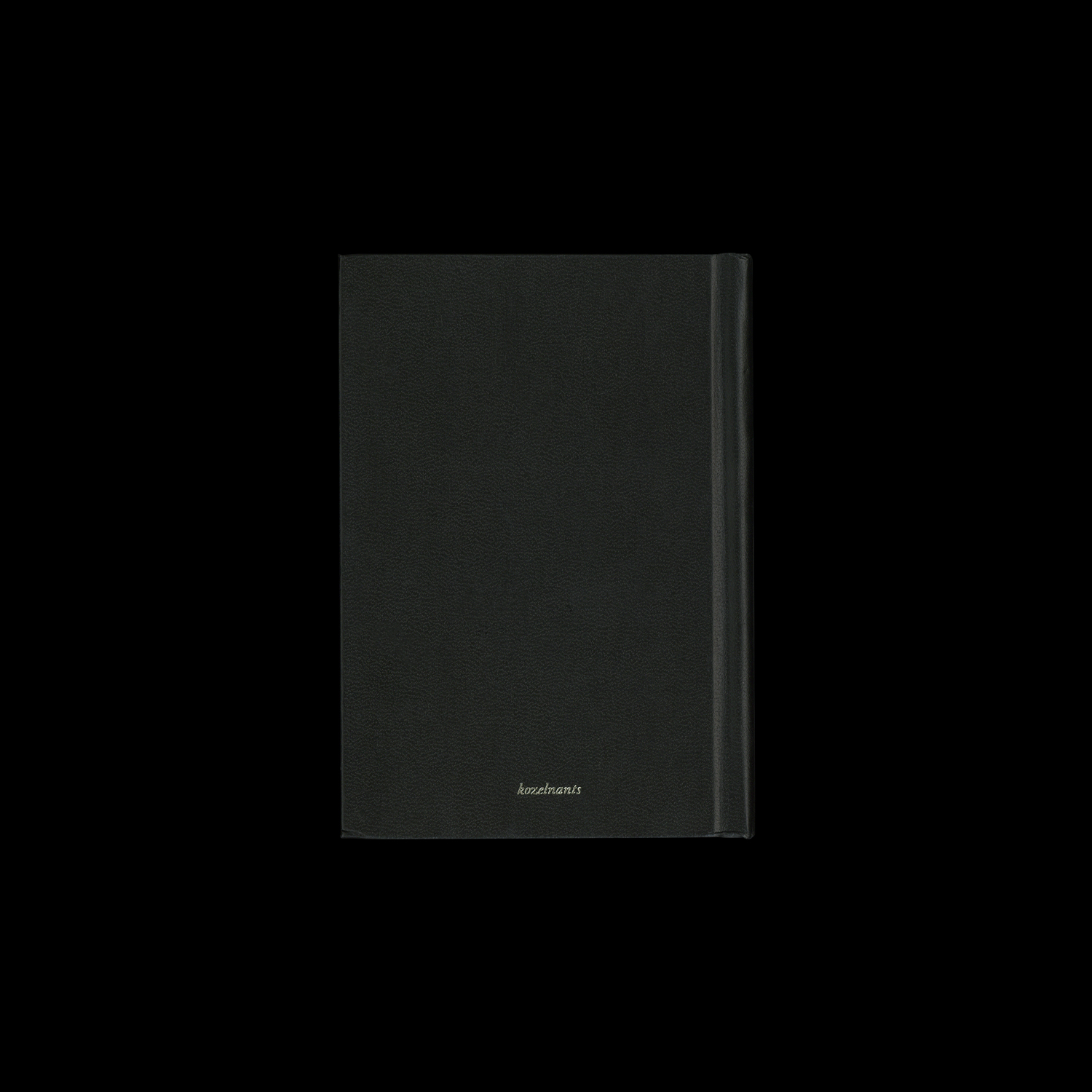
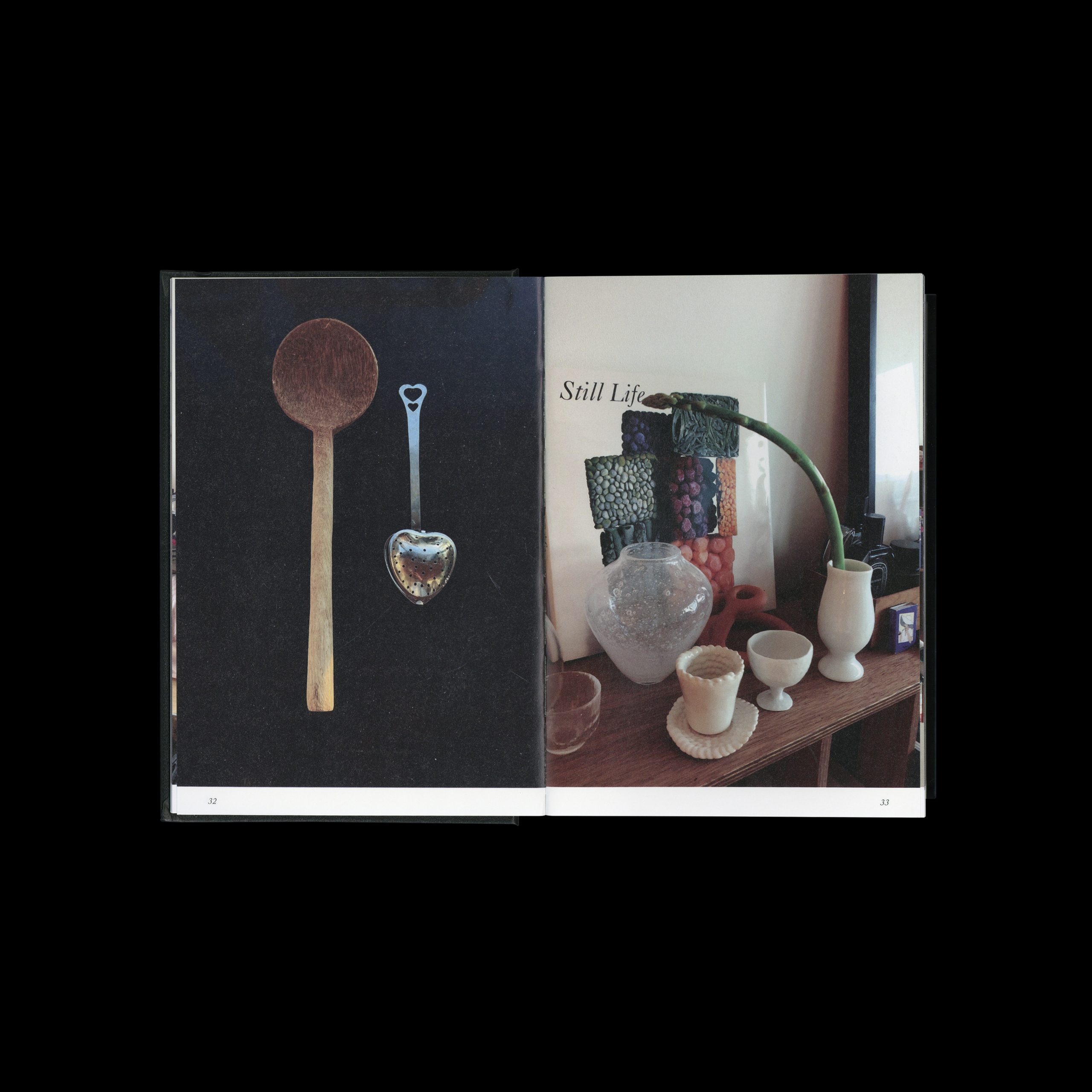
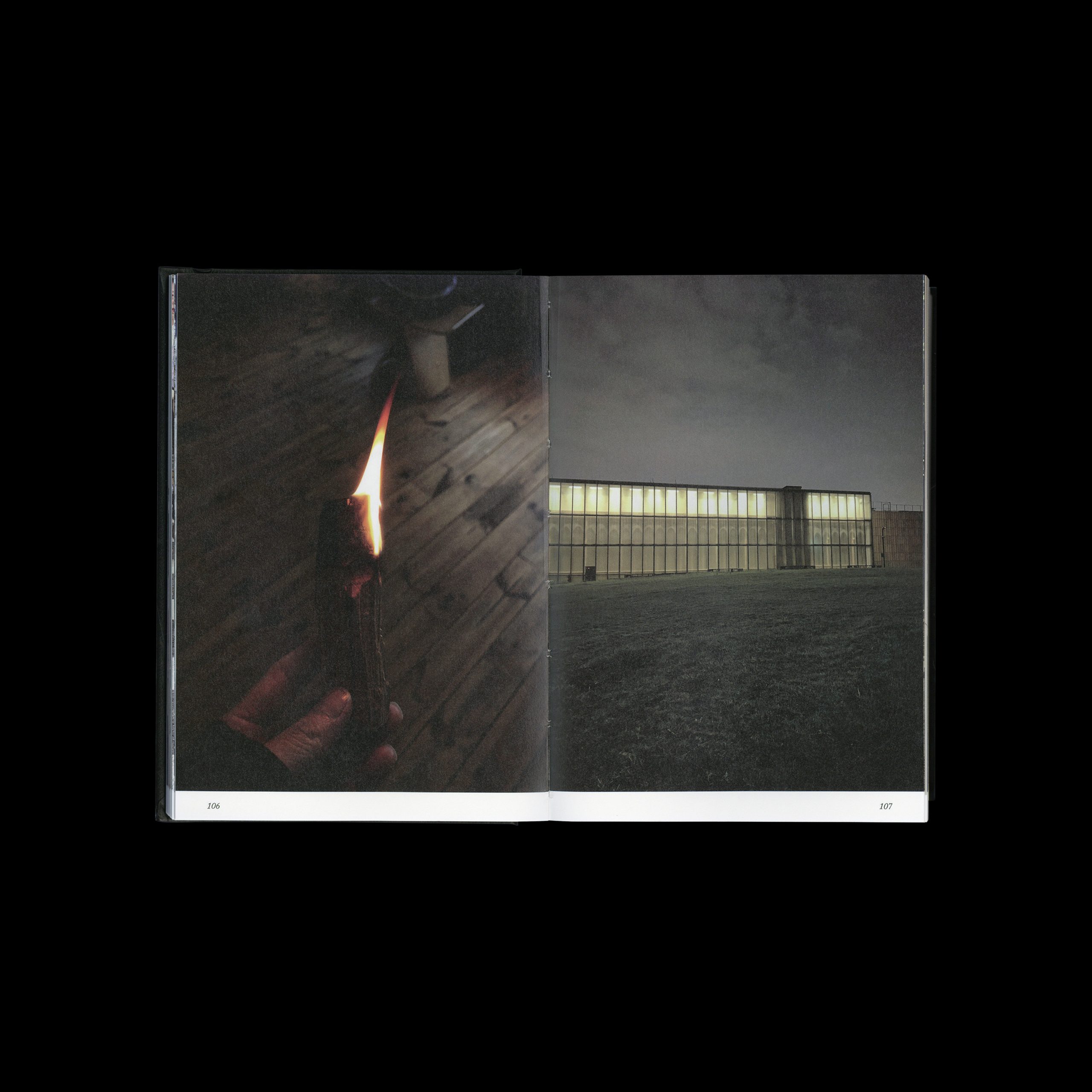
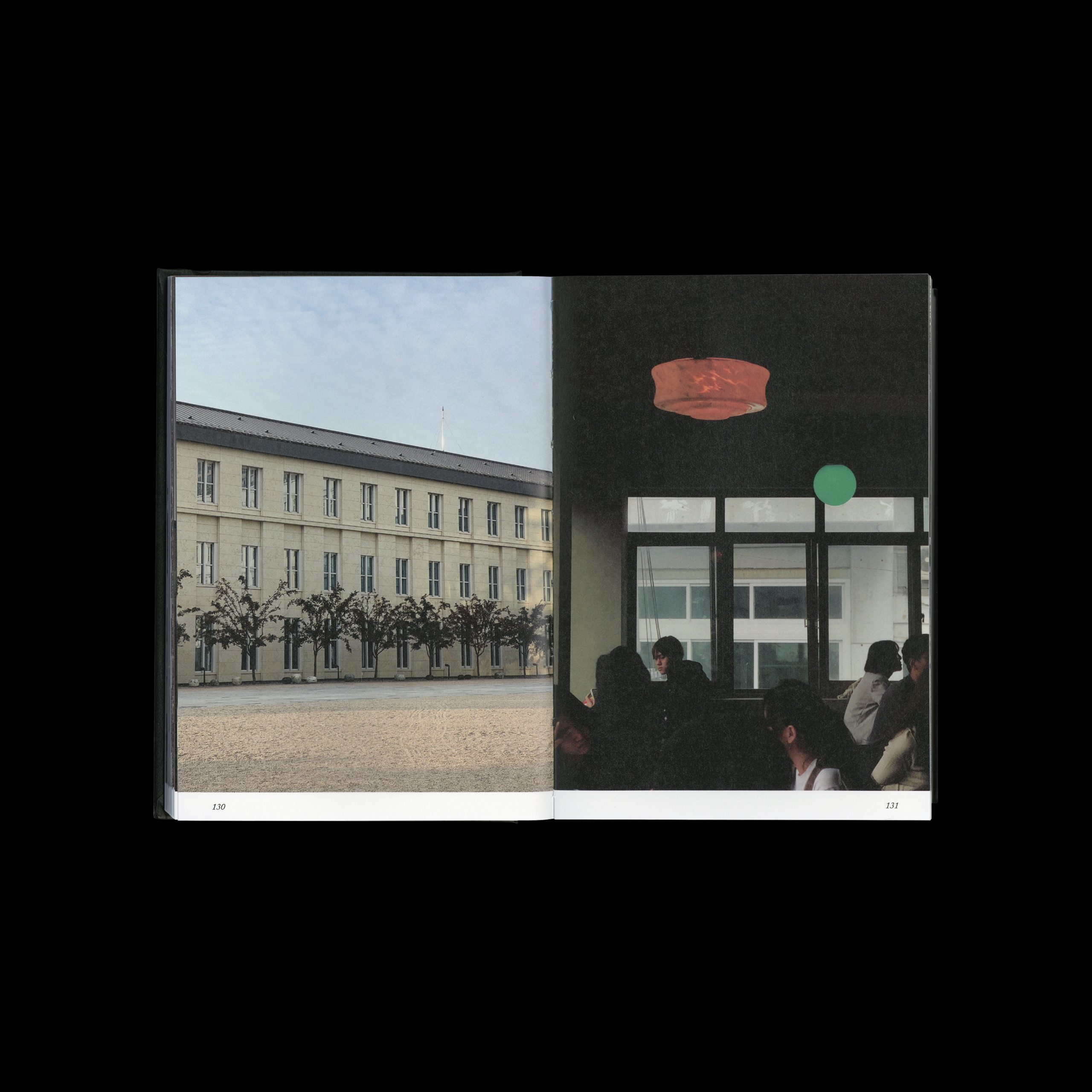
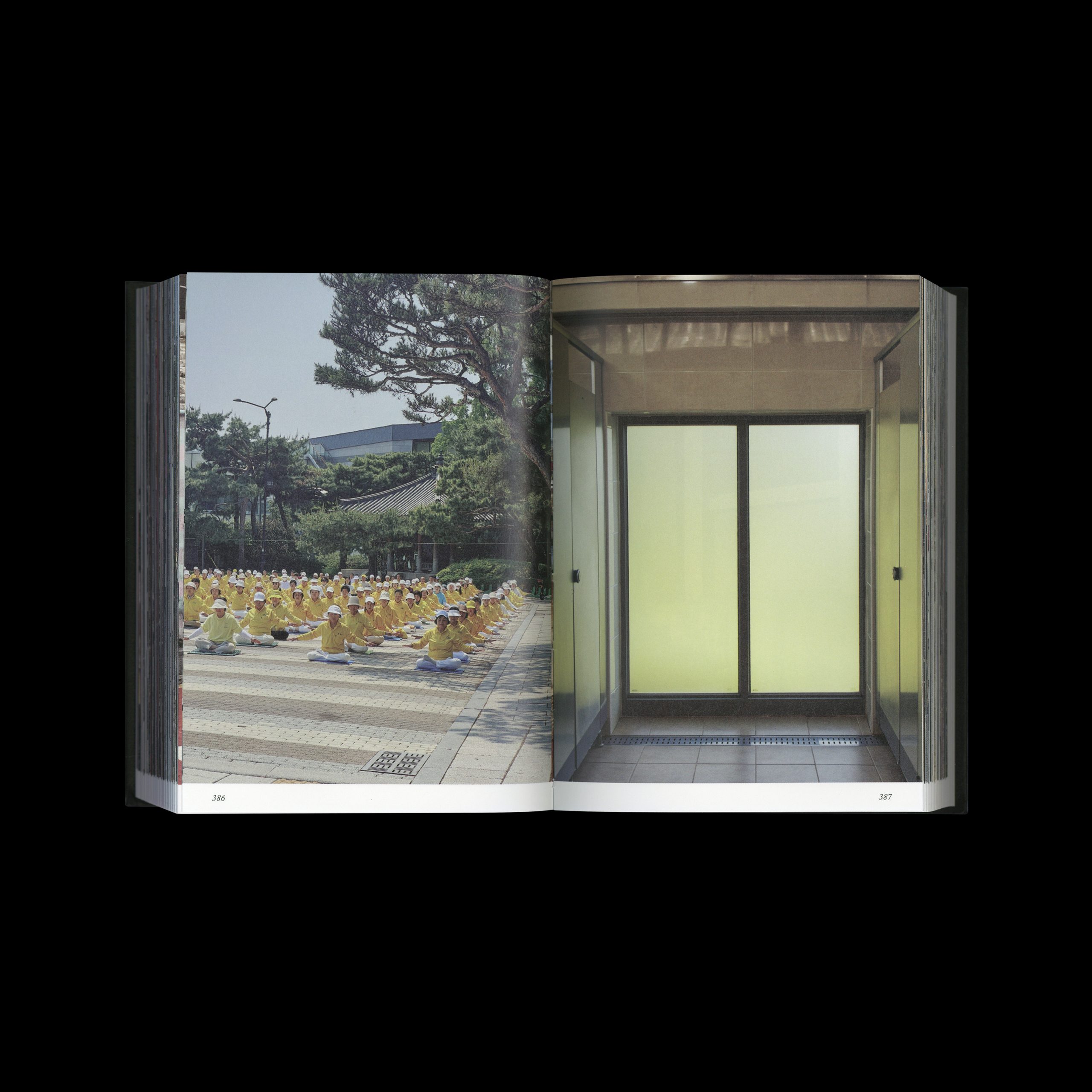
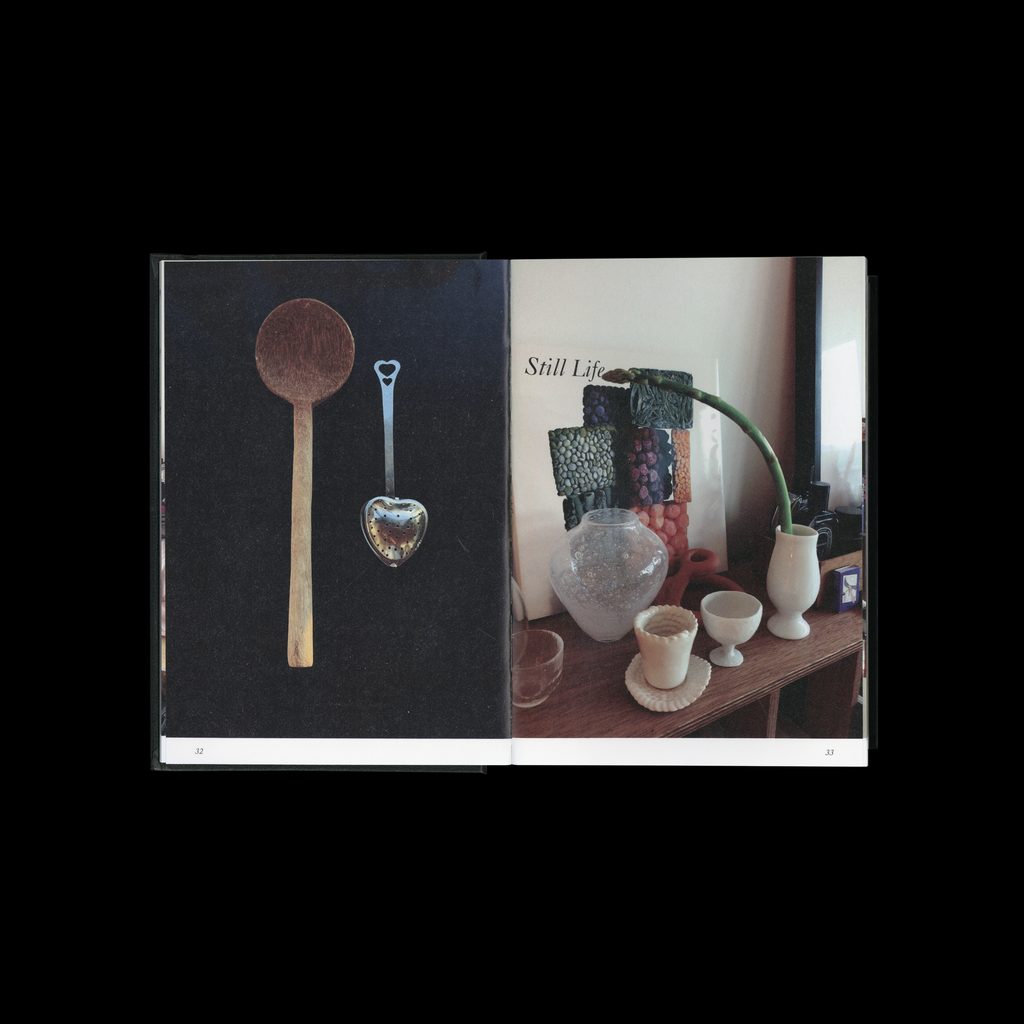
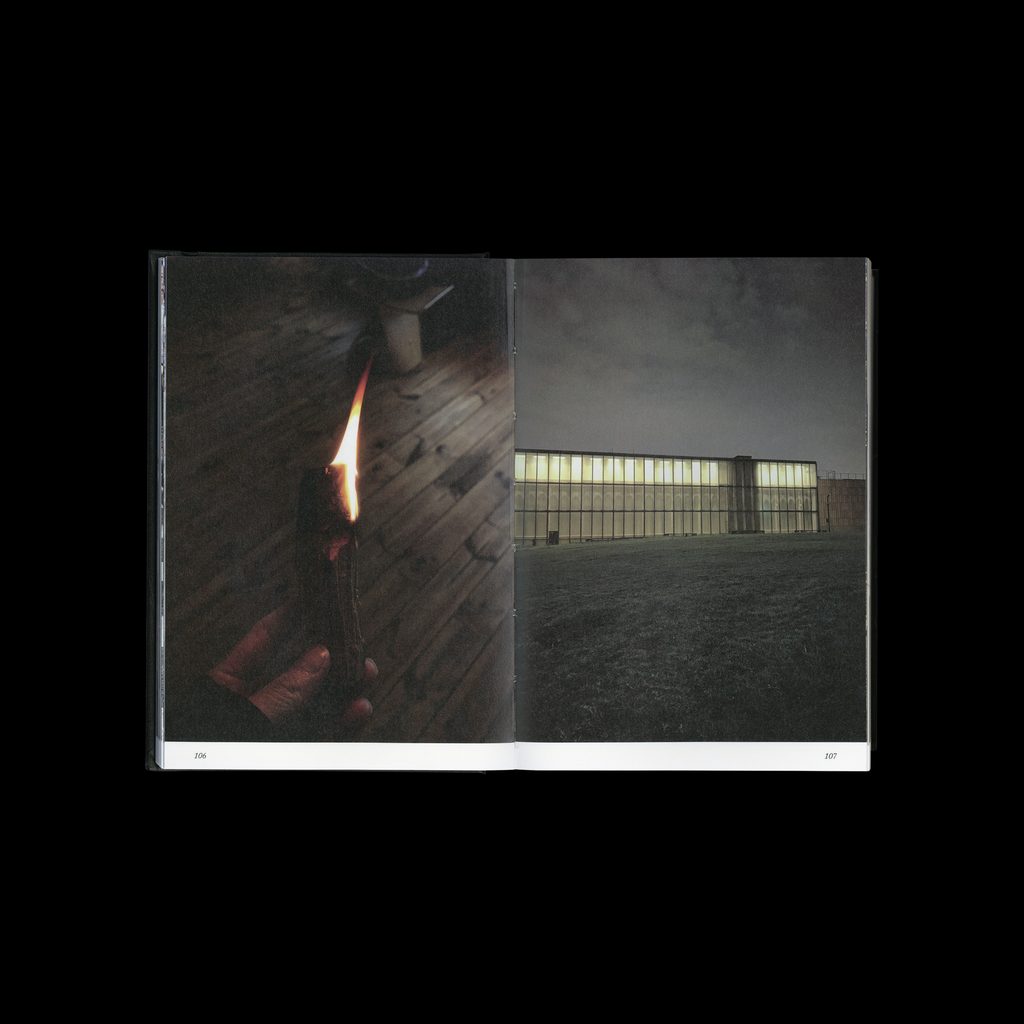
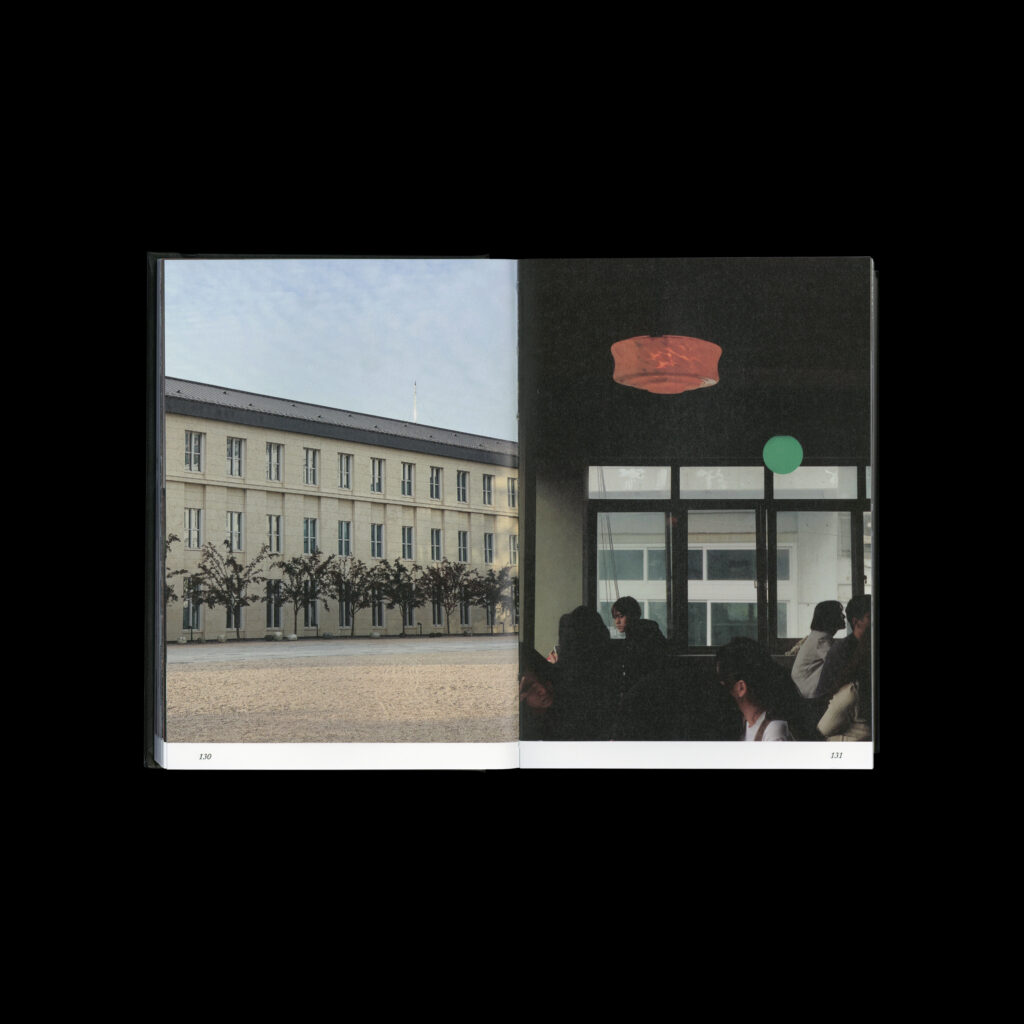
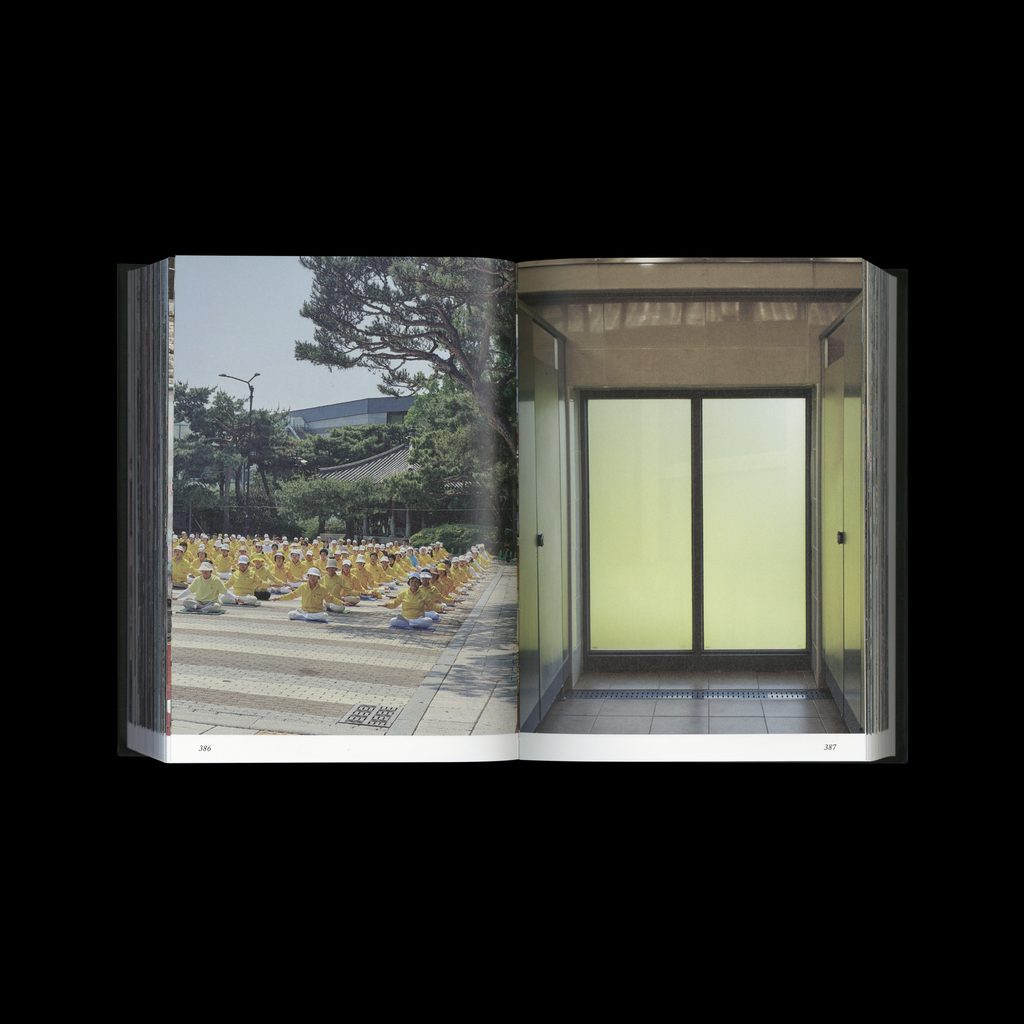
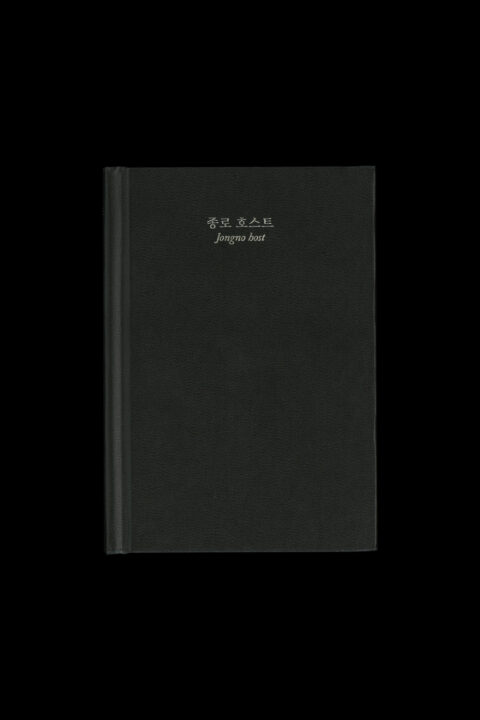
『종로 호스트』는 2017년부터 2025년까지 서울 종로와 그 주변을 아이폰으로 기록한 약 3,000장의 디지털 이미지 가운데 무엇을 남기고 어떤 장면을 나란히 놓을지 선별한 뒤, 30개의 장으로 엮어 흩어져 있던 기록에 하나의 질서를 부여한 사진 책이다. 축적된 기록을 관리하고 선별하는 수고로운 과정을 거쳐, 가볍게 쌓여가던 데이터는 그와 대조적으로 두껍고 묵직한 704페이지의 양장본으로 옮겨졌다. 펼쳐진 페이지 위에 나란히 놓인 사진들은 더 이상 화면 속에서 끝없이 흘러가는 이미지의 일부가 아니라, 잠시 멈춰 세워 한 장면씩 바라볼 수 있는 기록이 된다.
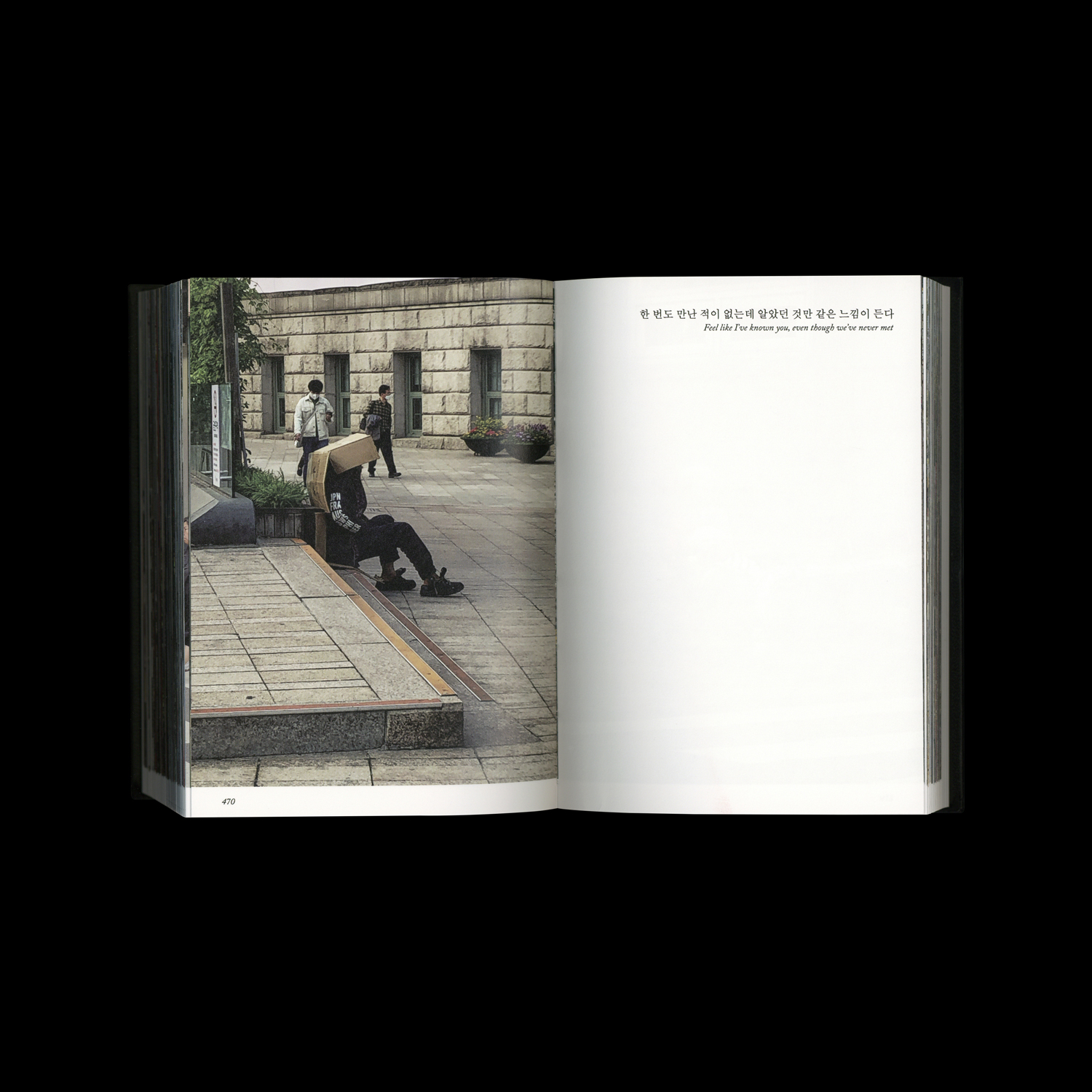
샘 유킬리스(Sam Youkilis)의 아이폰 사진집 『Somewhere』가 특정할 수 없는 ‘어딘가’의 풍경을 떠돌며 세계 곳곳의 장면을 한 권에 담아냈다면, 『종로 호스트』는 종로라는 구체적인 장소에 독자를 초대해 그곳을 안내한다. 책장을 넘기는 동안 작가는 지난 9년간 자신이 보고 기록한 종로를 내어주는 호스트가 되고, 독자는 그의 시선을 따라 골목과 거리, 사람들 사이를 거니는 손님이 된다. 언제든 가볍게 꺼내 들 수 있고 때로는 상대에게 크게 의식되지 않은 채 촬영할 수 있는 휴대전화 카메라의 특성 덕분에, 책에는 거창한 풍경보다는 종로를 오가며 마주친 사람과 사물, 골목과 표정 같은 장면들이 생생하게 담겨 있다. 30개 장으로 이어지는 호스트의 안내를 따라가다 보면, 작가가 기록한 종로의 풍경 위로 내가 알고 있던 종로의 기억이 겹치면서, 어느덧 우리가 알고 있는 조금은 낯설고 재미있는 종로의 모습들을 다시 만나게 된다.
손에 잡히지 않던 순간들이 한 권의 책이 되어 무게를 얻고, 페이지를 넘기며 반복해서 들여다볼 수 있게 되면서 데이터로만 남아 있을 때 느껴지던 공허함은 서로 다른 기억을 한 권의 책을 통해 나눌 수 있다는 감각으로 채워진다. 어쩌면 이런 달콤한 만족감 때문에 책장이 조금 휘청이는 수고쯤은 감수하면서도 계속 책을 사들이게 되는지도 모르겠다. 종로에 놀러 오는 친구가 있다면 이 책을 선물하고 싶다.
Translated automatically into English via AI agent.
In Japan, where collecting culture is deeply rooted, the impulse to continuously gather and hold on to things has long served as material for countless stories. Takeshi Okazaki’s The Agony of a Book Collection explores the various methods the author has devised to cope with an ever-growing number of books, along with the troubles that inevitably follow. There are stories of study floors collapsing and buildings beginning to tilt under the sheer weight of private libraries, as well as collectors who call in secondhand booksellers to clear out their shelves, only to pull a few volumes back at the last minute because they cannot quite bear to let them go. In these scenes—of people returning to bookstores despite knowing full well that they already own more books than they can manage—the attachment that drives collecting and the difficulties it creates appear side by side.
A similar impulse is taken to a more extreme conclusion in “The Secondhand Book Hell Mansion,” a story included in Daijiro Morohoshi’s Night Fish. Somewhere inside a mansion made entirely of secondhand books lie rare, out-of-print volumes coveted by collectors. When someone recklessly tries to pull out a single desired book, the entire structure collapses, leaving them to become a ghost among the ruins. Reading stories like these can make the bookshelves in my own home seem fairly harmless. Yet whenever I find myself rummaging through a corner of the room in search of one particular book, I cannot help but feel grateful, at least, that I live in a concrete building.
An article reporting an actual floor-collapse incident in 『Yukan Fuji』 Tokyo edition (February 8, 2005). (출처: Magazine Kō)
The effort involved in storing what we record and collect extends far beyond the bookshelf. Recently, as I began working more with video, I bought two external hard drives in quick succession. I felt a little more at ease only after transferring my data onto something tangible, something I could physically hold, but the possibility of losing the drives or having them suddenly fail still makes it difficult to feel completely secure. If you think about it, photographs and videos are records made to hold on to a single moment in the flow of time. Yet perhaps because they have become so easy to capture and store, at some point I began to feel satisfied simply by having recorded them, without ever really looking back. Once an image is taken, it quickly joins the endless stream of data and begins to drift away again, and it is difficult to form much attachment to records that disappear so easily into that flow.
Jongno host is a photobook assembled from approximately 3,000 digital images taken on an iPhone in and around Jongno, Seoul, between 2017 and 2025. By deciding what to keep, which images to place alongside one another, and arranging them into thirty chapters, the book gives a sense of order to what had once been scattered records. After the laborious process of managing and selecting from this accumulated archive, data that had been piling up almost weightlessly was transformed into its physical opposite: a thick, substantial, 704-page hardcover book. The photographs placed side by side across its spreads are no longer fragments of an endless stream of images on a screen, but records that have been brought to a temporary halt, allowing each scene to be looked at on its own.
If Sam Youkilis’s iPhone photobook Somewhere drifts through scenes from around the world, evoking an unspecified “somewhere,” Jongno host invites the reader into a particular place—Jongno—and guides them through it. As the pages turn, the photographer becomes a host, offering up the Jongno he has seen and recorded over the past nine years, while the reader becomes his guest, following his gaze through its alleys, streets, and crowds.
Because a phone camera can be pulled out at any moment and, at times, used without drawing much attention from the people being photographed, the book is filled less with grand vistas than with vivid scenes encountered while moving through Jongno: people and objects, alleys and expressions. Following the host’s guidance through the book’s thirty chapters, the Jongno recorded by the photographer begins to overlap with my own memories of the neighborhood. Before long, I find myself encountering those slightly strange and amusing sides of Jongno that somehow feel familiar to all of us.
Moments that once had no physical weight are given substance by becoming a book. As they can now be revisited again and again simply by turning the pages, the emptiness I sometimes feel when records remain only as data is replaced by the sense that different memories can be shared through a single object. Perhaps it is this small, sweet satisfaction that keeps me buying books, even if it means accepting the trouble of a bookshelf that sags a little under their weight. If a friend were coming to visit Jongno, this is the book I would want to give them.
Writer
한지은Han Jieun
그래픽디자인과를 졸업한 뒤 에디터로 일했다. 이후 다시 그래픽 디자인을 공부하고 싶어 진학한 대학원에서 한국 진(zine) 문화를 주제로 석사 논문을 썼다. 좋아하는 일을 공부하고, 재미있게 하면서 먹고사는 방법을 고민하고 있다.Han Jieun studied graphic design before working as an editor. She later returned to graduate school to continue her studies in graphic design, where she completed her master's thesis on Korean zine culture. She is interested in finding ways to build a life around the work she loves—continuing to study it, enjoy it, and make a living from it.