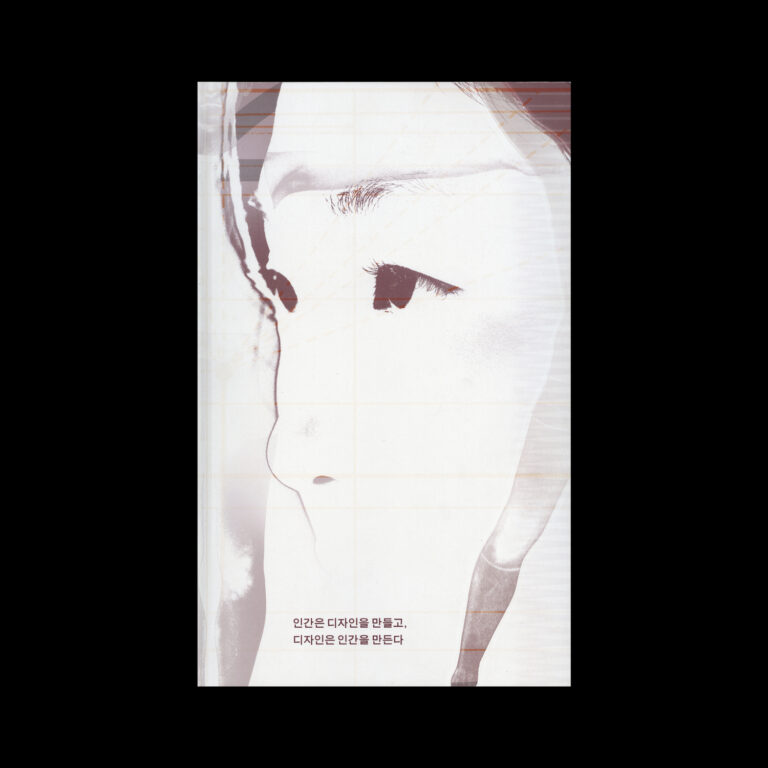
도라지 불고기Yakiniku ToRaji
- 저자Author
- 박동수, 양지훈, 이연숙(리타), 임유빈 Dongsu Park, Jihoon Yang, Yeonsuk Lee (Rita), Yubin Lim
- 디자인Design
- 최효원 Hyowon Choi
- 출판연도Year
- 2025
- 사양Specs
- 86쪽, 160 × 220 mm, 노출 사철 제본 86 pages, 160 × 220 mm, Exposed thread Binding
『도라지 불고기』는 2025년 6월 5일부터 29일까지 아트스페이스 보안 3에서 열린 양지훈 감독의 개인전 도록이다. ✕✕는 조선학교를 졸업한 뒤 남한의 대학에 진학했다. 지훈은 대학 동기인 ✕✕의 가족과 친구들을 만나 함께 밥을 먹고 술을 마시고 노래를 부른다. 그러면서 자연스레 가까워진 ●●, ▲▲, ◆◆에게 조선학교에서의 기억과 일본에서의 삶에 대해 듣는다. 이들과의 교류는 일상의 자리를 지우고, 그 자리 위에 쥐어진 사명감에 관해 묻는다: 평범하게 살아가는 이들에게 ‘정체성’이라는 이름을 붙이는 일은, 과연 누구를 위한 것인가?
감독 노트
그들은 ‘차별 속에서도 조국을 잊지 않고 투쟁하는 영웅’으로 재현되어 왔다. 하지만 이는 오히려 우리와 그들을 구분 짓고, 다양한 삶의 가능성을 제한한다. 우리가 잊고 살아왔기에 늦게나마 돌봐야 할 사람들, 아픈 역사의 교보재로 존재하게 만드는 것에 한계를 느낀다. 조선학교는 재일 사회의 복합적 정체성을 가능하게 하는 공간이다. 따라서 학교를 지켜야 한다는 명제보다는 그 안의 다양한 사람들에 초점을 맞추고자 했다. 연민과 타자화에서 벗어나기 위해 숭고하지도 비참하지도 않은 개인을 드러낸다. 가장 많이 존재하는 삶은 설명되지 않는다.
Yakiniku ToRaji is the catalog for the solo exhibition by director Jihun Yang, held at Art Space Boan 3 from June 5 to 29, 2025. ✕✕ graduated from a Joseon School and went on to attend a university in South Korea. Jihun meets ✕✕’s family and friends, sharing meals, drinks, and songs together. Through these encounters, he grows naturally close to ●●, ▲▲, and ◆◆, listening to their memories of the Joseon School and their lives in Japan. These exchanges erase the space of the everyday, and in its place raise a question about the sense of mission that fills it: for whom, exactly, is it done—the act of attaching the label of “identity” to people who are simply living ordinary lives?
Director’s Note
They have long been represented as “heroes who, even amid discrimination, never forget their homeland and continue to struggle.” But this framing only draws a line between us and them, limiting the range of lives they are allowed to live. I find myself reaching the limits of making them into people we must belatedly care for because we have forgotten them, or into teaching material for a painful history. The Joseon School is a space that makes possible the complex identities of Zainichi society. Rather than centering on the proposition that the school must be preserved, I wanted to focus on the diverse individuals within it. To move beyond pity and othering, I sought to reveal people who are neither sublime nor wretched. The lives that exist in the greatest numbers go unexplained.